
ibs treatment
IBS Treatment in Raipur
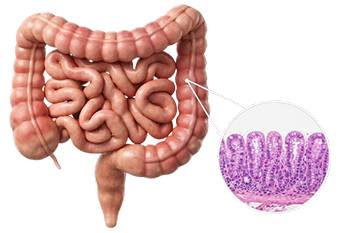
IBS is a common functional gut disorder — meaning the digestive tract doesn’t show visible damage or inflammation, but doesn’t function normally either. It’s often linked to the gut-brain connection, where stress, diet, and gut sensitivity interact to cause symptoms.
Book an Appointment
With Dr. Ekant Budhwani
Call / WhatsApp
+91 62640 89752
Causes
IBS doesn’t have a single cause, but contributing factors include:
- Altered gut motility (how food moves through the digestive tract)
- Increased gut sensitivity to normal digestive processes
- Gut-brain axis dysregulation, often worsened by stress or anxiety
- Changes in gut bacteria
- Certain food triggers
Types
IBS-D
predominantly diarrhoea
IBS-C
predominantly constipation
IBS-M
mixed pattern of both
IBS-U
unclassified pattern
Symptoms to Watch For
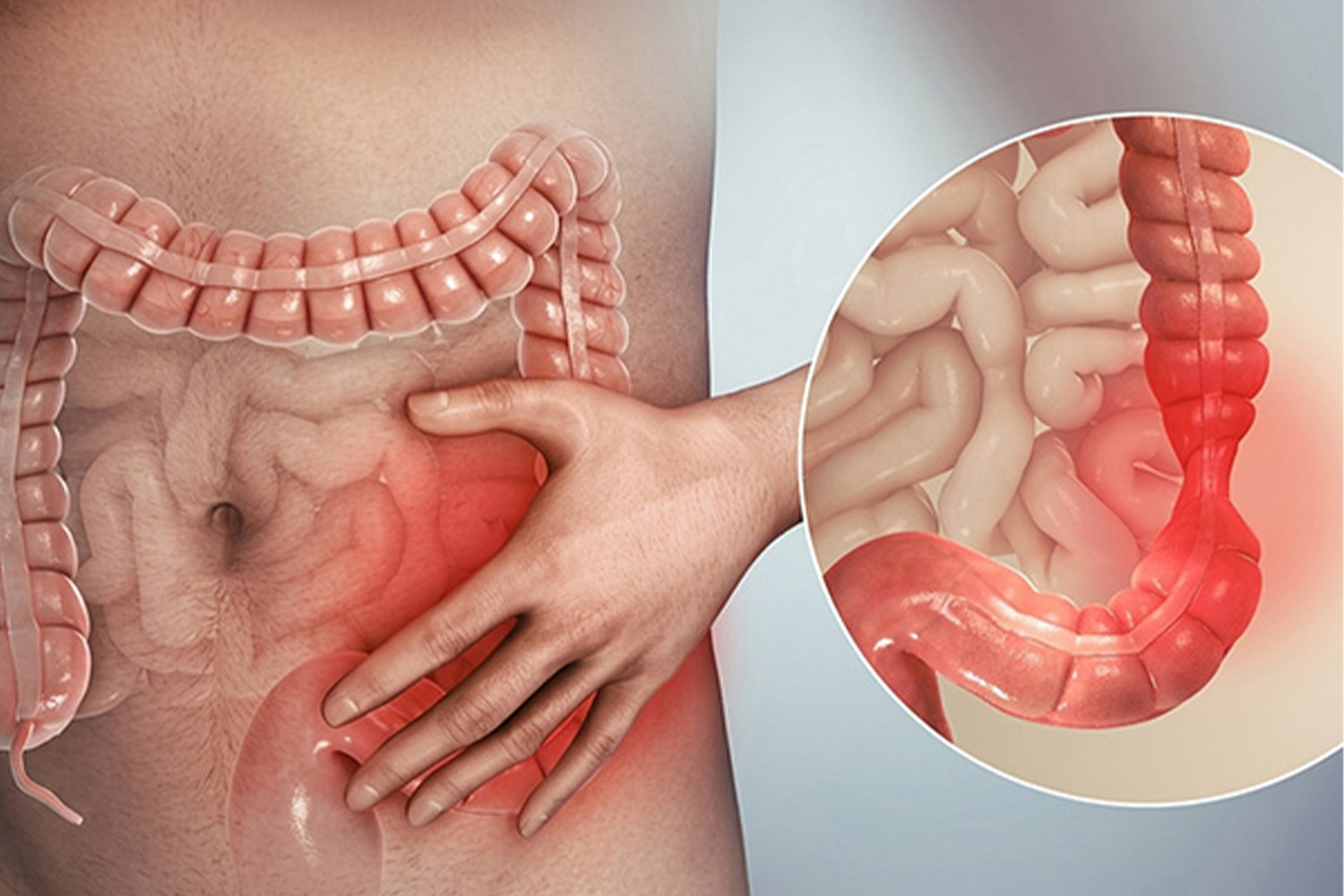
- Recurrent abdominal pain, often relieved after passing stool
- Bloating and excess gas
- Changes in bowel habits — diarrhoea, constipation, or both
- A feeling of incomplete bowel emptying
- Mucus in stool
- Symptoms that fluctuate with stress or certain foods

Diagnosis
IBS is a diagnosis based on symptom pattern, combined with ruling out other conditions:

Detailed symptom history
pattern, triggers, and duration are key
Blood tests
to rule out other causes like coeliac disease or inflammation
Stool tests
to exclude infection or inflammatory conditions like IBD
Colonoscopy
considered in select cases, particularly if there are red flagsymptoms (e.g., blood in stool, unexplained weight loss, or family history of bowel cancer)
Treatment & Management
IBS management focuses on reducing symptom frequency and severity through a personalised approach:
- Dietary adjustments, guided by identifying individual trigger foods
- Strategies addressing the gut-brain connection, including stress management
- Lifestyle changes such as regular activity and sleep patterns
- A structured, staged approach rather than a single fix — many patients need some trial and adjustment to find what works
- Regular follow-up to refine the management plan over time

"A proper evaluation is important even for IBS, to confirm there's no other underlying condition causing similar symptoms."
When to Seek Help
See a specialist if you have:
- Ongoing abdominal pain or bloating that affects daily life
- Bowel habit changes lasting several weeks
- Symptoms alongside any "alarm" signs — blood in stool, unexplained weight loss, or fever, which need to be ruled out first
Why Choose Oraya Clinics
Specialist evaluation of IBS and gut-brain disorders from Dr. Ekant Budhwani
A thorough diagnostic approach that rules out other conditions before confirming IBS
Practical, personalised management plans — not a one-size-fits-all leaflet
Coordinated care when hormonal or metabolic factors may be contributing to symptoms
Frequently Asked Questions
Is IBS a serious condition?
IBS doesn’t cause permanent damage to the bowel, but it can significantly affect quality of life. It’s taken seriously because of its impact on daily function, even though it isn’t dangerous in the way IBD or cancer can be.
Can IBS be cured completely?
IBS is typically a long-term condition, but symptoms can be very well managed, and many patients achieve long periods with minimal or no symptoms.
Does stress cause IBS?
Stress doesn’t cause IBS on its own, but it’s a well-recognised trigger that can worsen symptoms due to the gut-brain connection.
Do I need a colonoscopy to diagnose IBS?
Not always. Colonoscopy is only recommended in specific situations — such as alarm symptoms or a strong family history of bowel disease — rather than for every IBS evaluation.