
Liver Health
Fatty Liver Disease Treatment in Raipur
Fatty liver disease — now more accurately called MASLD (Metabolic dysfunction-Associated Steatotic Liver Disease) — occurs when excess fat builds up in the liver. In its early stages, it often causes no symptoms at all, which is why it frequently goes undetected until a routine blood test or scan picks it up.
Book an Appointment
With Dr. Ekant Budhwani
Call / WhatsApp
+91 62640 89752
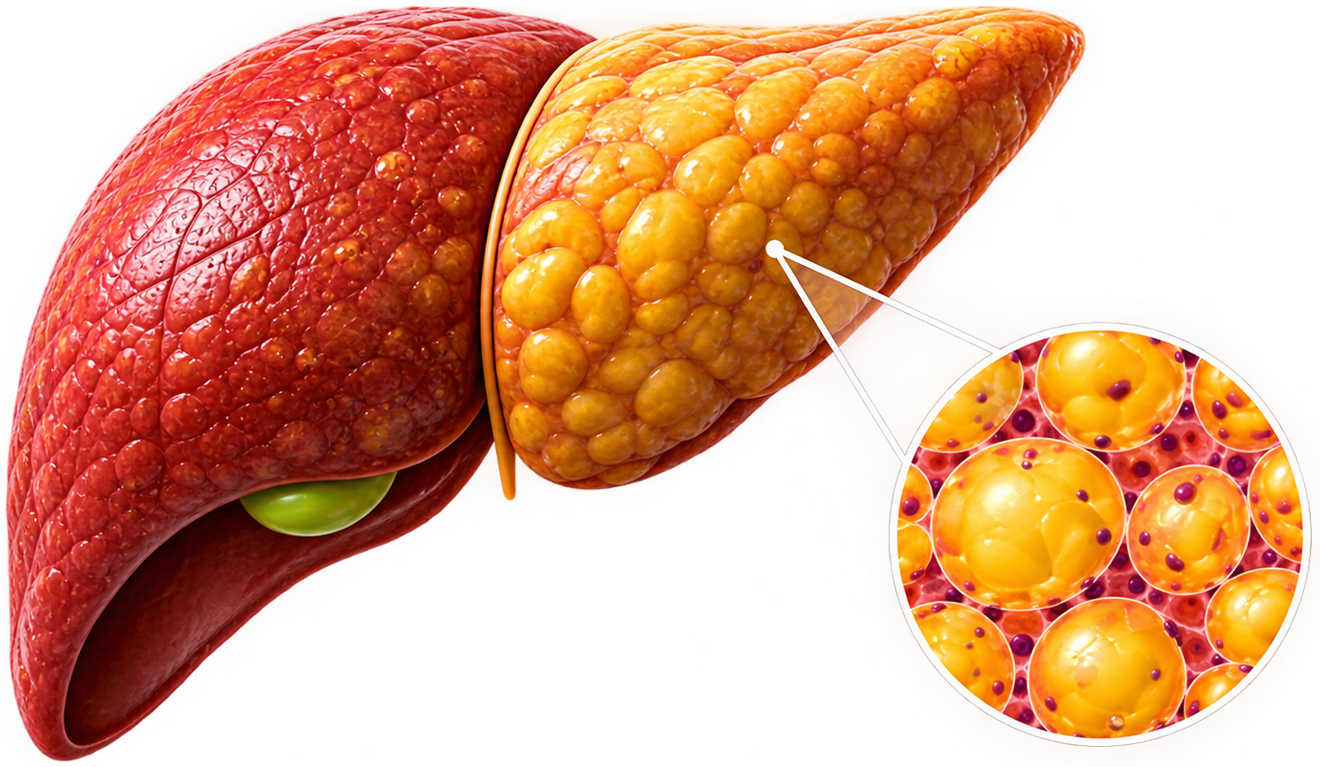
Causes
Fatty liver disease is closely linked to metabolic health. Common contributing factors include:
- Obesity or being overweight
- Insulin resistance and Type 2 diabetes
- High cholesterol or triglycerides
- Sedentary lifestyle and poor diet
- Excessive alcohol consumption (in alcohol-related fatty liver disease)
Types
Non-progressive fatty liver
fat build-up without significant inflammation or damage
MASH (Metabolic dysfunction-Associated Steatohepatitis)
a more advanced form involving liver inflammation, which can progress to fibrosis or cirrhosis if untreated
Symptoms to Watch For
- Fatigue or low energy
- Mild discomfort or heaviness in the upper right abdomen
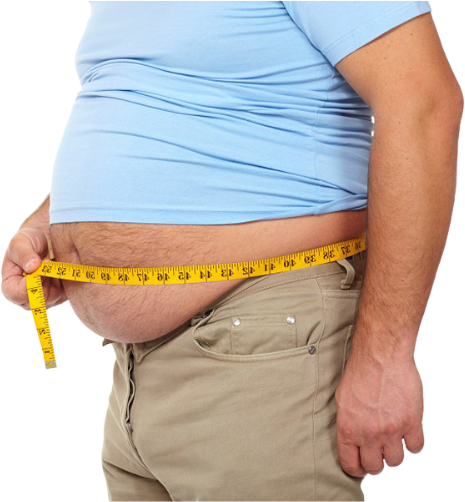
- Unexplained weight gain, particularly around the abdomen
- In advanced stages: jaundice, swelling in the legs, or easy bruising
Most patients with early-stage fatty liver disease have no symptoms at all—this is why screening matters for at-risk individuals, even without complaints.
Diagnosis
Diagnosis typically involves a combination of:
Blood Tests
to assess liver enzyme levels and rule out other liver conditions
FibroScan
a non-invasive scan measuring liver fat and stiffness, used to assess severity and monitor progression over time
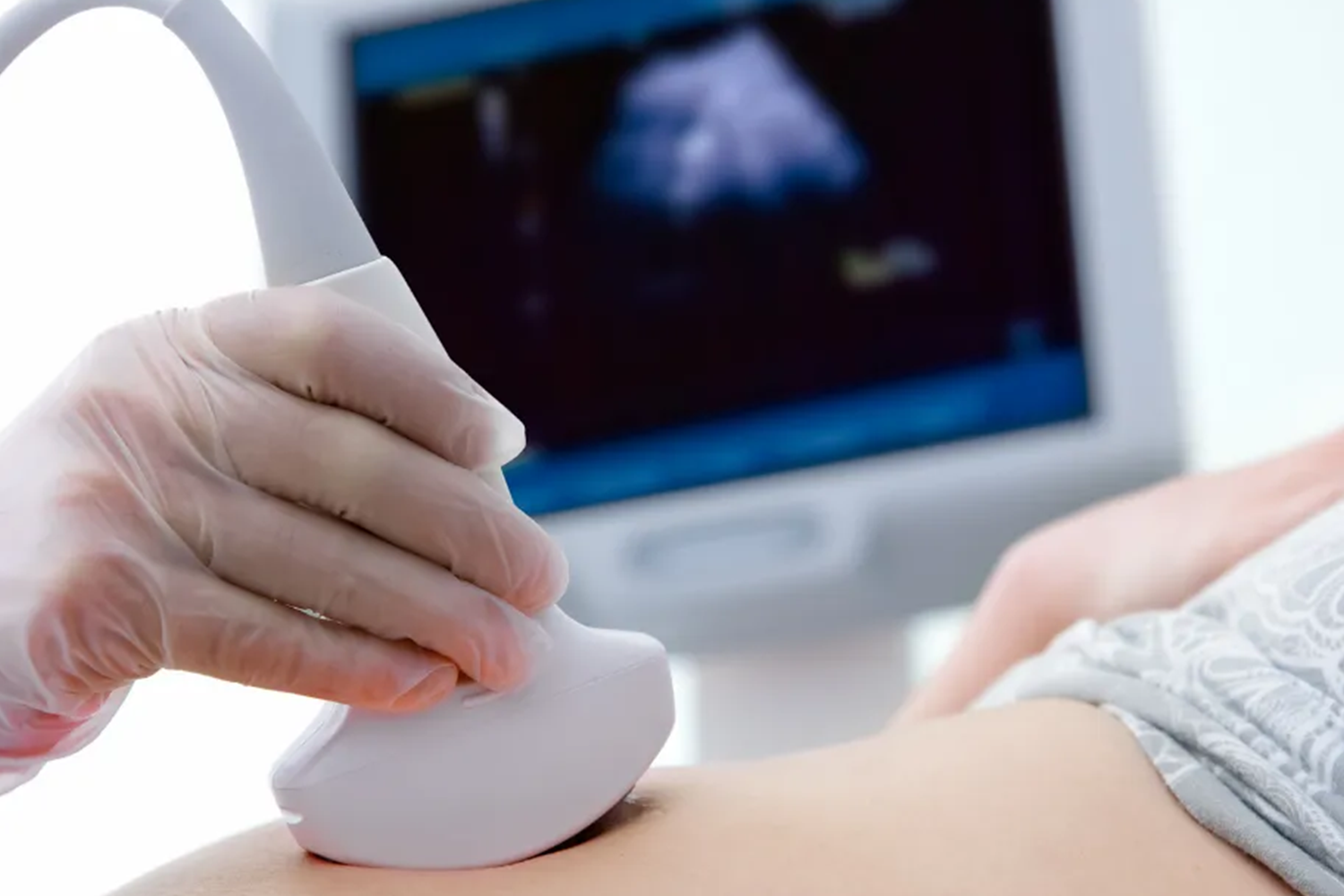
Ultrasound
to confirm fat build-up and check overall liver structure
Liver Biopsy (in select cases only)
reserved for situations where non-invasive tests don't give a clear enough picture
Treatment & Management
Management of fatty liver disease is built around addressing the underlying metabolic factors driving it:
- Structured weight management, where relevant
- Dietary changes to reduce liver fat
- Management of related conditions like diabetes, high cholesterol, or high blood pressure
- Regular monitoring through blood tests and FibroScan to track progression or improvement
- In select cases, specific treatment may be discussed directly with your doctor based on disease severity

"Early evaluation matters because fatty liver disease is manageable — and often reversible — when caught before it progresses."
When to Seek Help
You should consider a liver evaluation if you:
- Have risk factors such as obesity, diabetes, or high cholesterol
- Have been told you have "fatty liver" on a routine scan but haven't had it evaluated further
- Experience unexplained fatigue or discomfort in the upper right abdomen
- Have a family history of liver disease
Why Choose Oraya Clinics
Specialist hepatology care from Dr. Ekant Budhwani, trained at AIG Hospitals, Hyderabad
Non-invasive diagnostic options, including FibroScan, to avoid unnecessary invasive testing
Clear, unhurried explanation of your results and what they mean
Coordinated care with endocrinology when diabetes, weight, or metabolic factors are involved
Frequently Asked Questions
Can fatty liver disease be reversed?
In its early stages, yes — with weight management, dietary changes, and control of related conditions like diabetes or high cholesterol, liver fat can reduce significantly.
Is fatty liver disease only caused by alcohol?
No. While alcohol-related fatty liver disease exists, MASLD is primarily linked to metabolic factors like obesity, insulin resistance, and diabetes — even in people who don’t drink alcohol.
Do I need a liver biopsy to confirm fatty liver disease?
Not usually. Most cases can be assessed accurately using blood tests, ultrasound, and FibroScan. A biopsy is only considered in specific, more complex situations.
If I have no symptoms, do I still need treatment?
Yes, if fatty liver disease is confirmed. Silent progression is the main risk — untreated cases can advance without any warning signs.