
Cirrhosis
Cirrhosis Treatment in Raipur
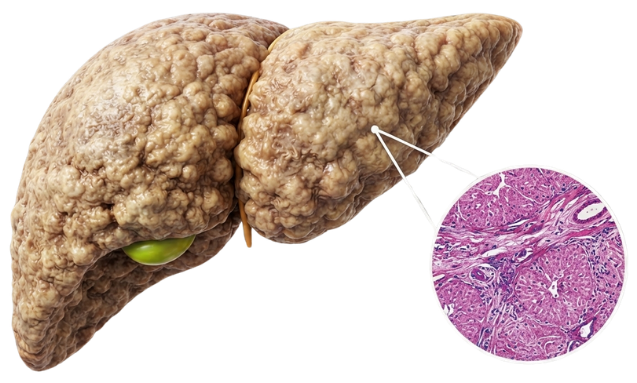
Cirrhosis is advanced scarring of the liver, resulting from long-term liver damage. Over time, healthy liver tissue is replaced by scar tissue, which can affect the liver’s ability to function. It’s typically the end result of long-standing, untreated liver conditions rather than a disease that develops suddenly.
Book an Appointment
With Dr. Ekant Budhwani
Call / WhatsApp
+91 62640 89752
Causes
- Long-term fatty liver disease (MASLD) or MASH
- Chronic viral hepatitis (Hepatitis B or C)
- Long-term heavy alcohol use
- Autoimmune liver conditions
- Certain genetic and metabolic liver disorders
Types
Compensated cirrhosis
the liver is scarred but still manages to function adequately, often with few or no symptoms
Decompensated cirrhosis
the liver can no longer compensate for the damage, leading to more significant symptoms and complications
Symptoms to Watch For
- Fatigue and weakness
- Loss of appetite and unexplained weight loss
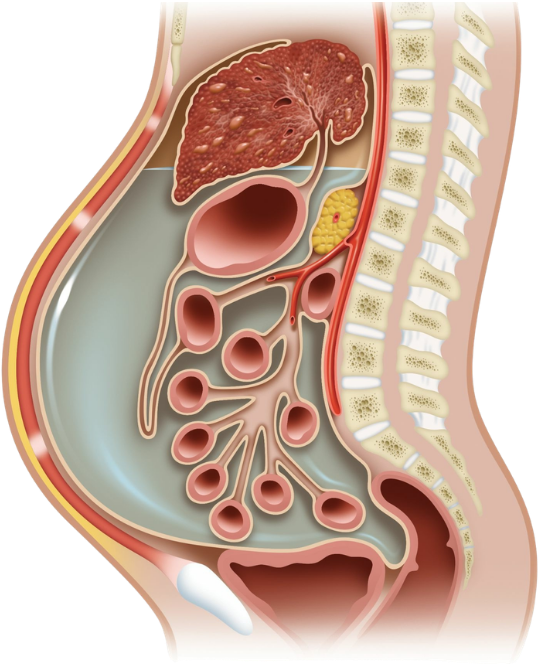
- Swelling in the legs or abdomen
- Yellowing of the skin or eyes (jaundice)
- Easy bruising or bleeding
- Confusion or difficulty concentrating (in advanced cases)
Compensated cirrhosis often has minimal symptoms, which is why monitoring existing liver conditions closely matters — to catch progression early.
Diagnosis

Blood tests
to assess liver function and detect signs of decompensation
FibroScan
to measure liver stiffness and assess the degree of scarring
Ultrasound
to evaluate liver structure and screen for complications
Endoscopy
in some cases, to check for complications such as enlarged veins in the food pipe
Additional imaging or tests
used as needed based on individual findings
Treatment & Management
Management of cirrhosis focuses on slowing progression, managing complications, and protecting remaining liver function:
- Addressing the underlying cause — such as viral hepatitis, alcohol use, or metabolic factors
- Regular monitoring through blood tests, FibroScan, and imaging to track liver function
- Screening for and management of complications as they arise
- Dietary and lifestyle guidance tailored to liver health
- Referral for advanced care or transplant evaluation in appropriate cases


"Early management of the underlying cause can slow or, in some cases, prevent progression to more advanced liver damage."
When to Seek Help
You should seek evaluation if you:
- Have a known liver condition (fatty liver, hepatitis, or long-term alcohol use) that hasn't been monitored recently
- Notice swelling in your legs or abdomen, jaundice, or unexplained fatigue
- Have a family history of liver disease
- Have been told you have early liver scarring and want a structured monitoring plan
Why Choose Oraya Clinics
Specialist liver care from Dr. Ekant Budhwani, formerly part of a liver transplant team at Aakash Healthcare, New Delhi
Non-invasive assessment tools, including FibroScan, for ongoing monitoring
Clear, honest explanation of your stage and what it means for your care
Coordinated referral pathway for advanced or transplant-level care when needed
Frequently Asked Questions
Is cirrhosis always caused by alcohol?
No. While alcohol is a common cause, cirrhosis can also result from viral hepatitis, fatty liver disease, autoimmune conditions, and other liver disorders.
Can cirrhosis be reversed?
Established scarring generally cannot be fully reversed, but progression can often be slowed or stopped by treating the underlying cause and with close monitoring — especially in earlier, compensated stages.
Does cirrhosis always require a liver transplant?
No. Many patients with compensated cirrhosis are managed successfully through monitoring and treating the underlying cause. Transplant is considered only in more advanced, decompensated cases.
How often will I need monitoring if I have cirrhosis?
This depends on your specific stage and cause. Your doctor will set a monitoring schedule based on your individual risk of complications.