
Menopause
Menopause Management in Raipur
Menopause marks the natural end of menstrual cycles, typically occurring in the late 40s to early 50s, and is confirmed after 12 consecutive months without a period. The years leading up to it — perimenopause — often bring the most noticeable symptoms, as hormone levels fluctuate before settling into the postmenopausal stage.
Book an Appointment
With Dr. Shilika Lalwani
Call / WhatsApp
+91 62640 89752
Causes
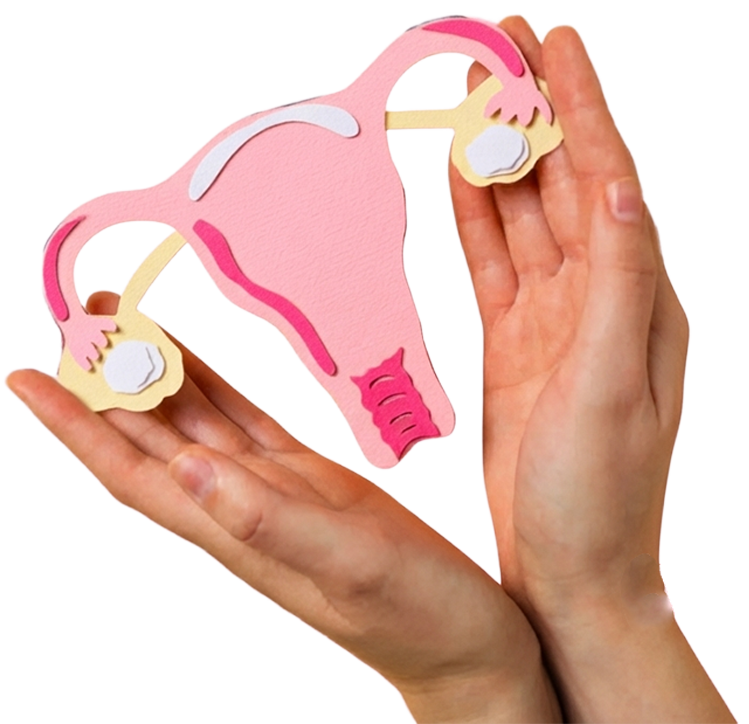
Menopause is a natural biological transition, driven by:
- Declining ovarian function and reduced oestrogen production with age
- In some cases, earlier menopause due to surgery, certain treatments, or premature ovarian insufficiency
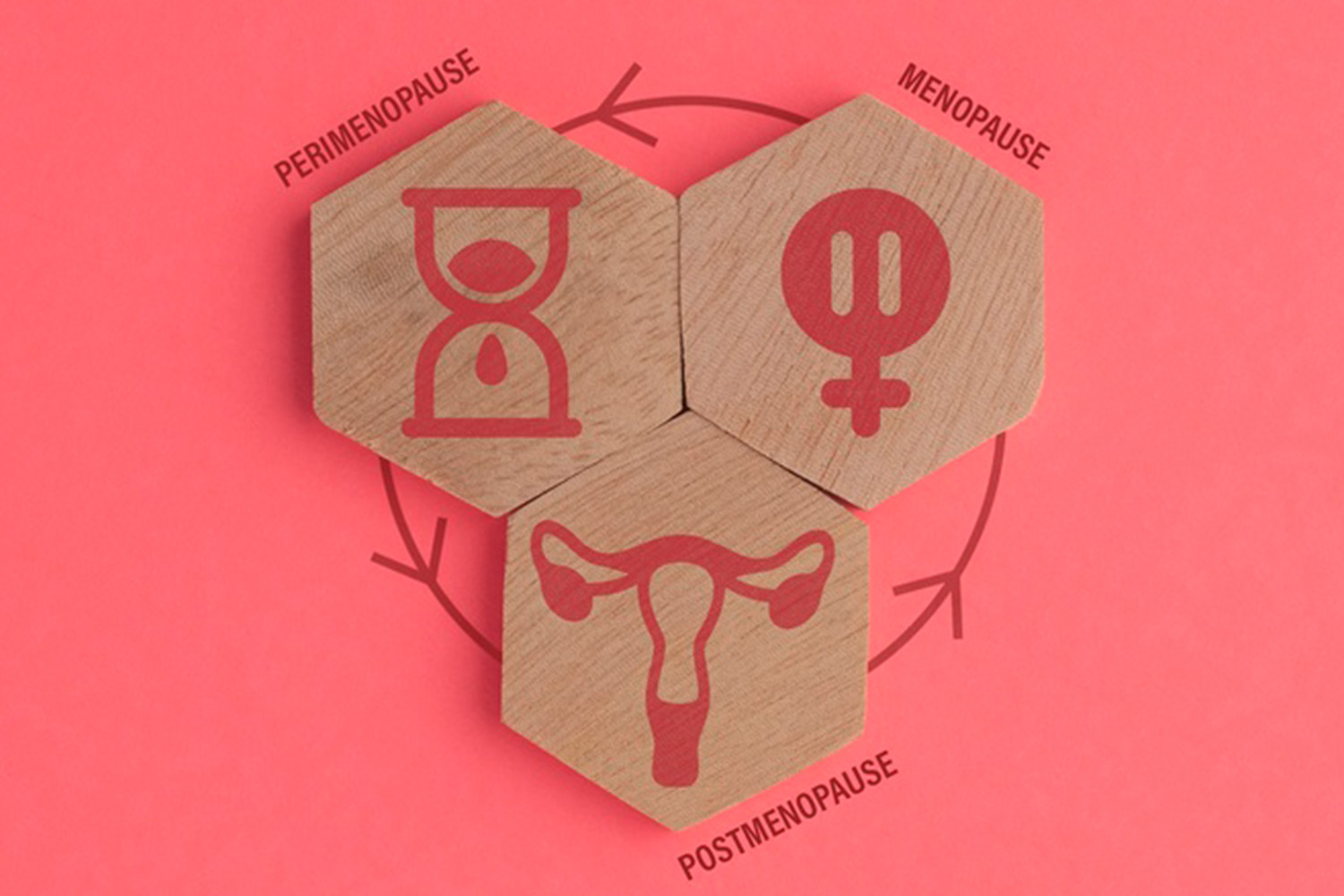
Stages
Perimenopause
the transition period, often marked by irregular periods and fluctuating symptoms
Menopause
confirmed after 12 months without a period
Postmenopause
the years following menopause, with its own long-term health considerations (such as bone and heart health)
Symptoms to Watch For
- Hot flashes and night sweats
- Irregular periods (during perimenopause)
- Sleep disturbances
- Mood changes, including irritability or low mood
- Vaginal dryness or discomfort
- Reduced bone density over time
- Changes in weight or metabolism

Diagnosis
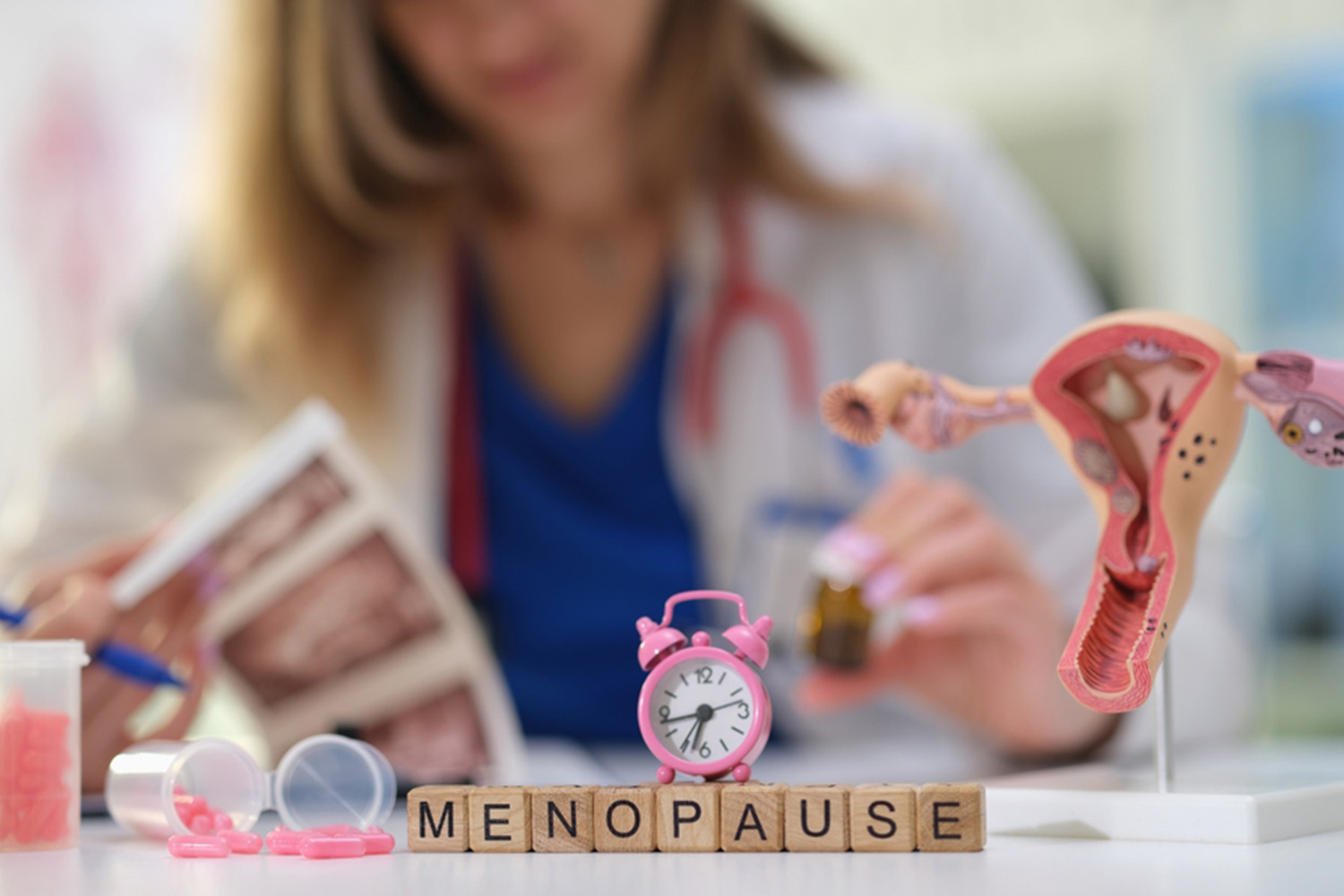
Detailed symptom and menstrual history
often the primary basis for diagnosis
Hormone blood tests
used in select cases, particularly for earlier or unclear presentations
Bone density assessment
recommended around menopause to establish a baseline
General health screening
including cholesterol and blood pressure, given increased cardiovascular considerations postmenopause
Treatment & Management
Menopause management is highly individual, based on symptom severity and personal health history:
- Guidance on managing hot flashes, sleep disturbance, and mood changes
- Discussion of hormone therapy as an option, where appropriate, based on your individual health profile
- Bone health monitoring and preventive guidance to reduce osteoporosis risk
- Cardiovascular risk assessment, given hormonal changes affecting heart health postmenopause
- Ongoing, staged support through perimenopause into the postmenopausal years

When to Seek Help
Consider an evaluation if you:
- Are experiencing perimenopausal symptoms that are affecting your daily life or sleep
- Have gone 12 months without a period and want guidance on postmenopausal health
- Are experiencing menopausal symptoms earlier than expected (before age 40–45)
- Want a bone density or cardiovascular risk assessment as you approach or pass menopause
Why Choose Oraya Clinics
Individualised menopause care from Dr. Shilika Lalwani, looking beyond symptom relief to long-term bone and metabolic health
Clear, judgement-free discussion of hormone therapy options and alternatives
Bone density and cardiovascular screening built into ongoing care
Support through the full transition — perimenopause, menopause, and beyond
Frequently Asked Questions
Is hormone therapy right for everyone going through menopause?
No, it depends on individual health history and symptom severity. This is a personalised discussion between you and your doctor, weighing benefits and any relevant risk factors.
How long do menopausal symptoms typically last?
This varies significantly between individuals — some experience symptoms for a few years, others for longer. Management is tailored to your specific experience.
Does menopause affect bone health?
Yes, the decline in oestrogen after menopause accelerates bone density loss, which is why bone health monitoring is an important part of postmenopausal care.
What is premature or early menopause?
Menopause occurring before age 40–45 is considered early or premature, and it’s evaluated a little differently, since it carries specific long-term health considerations worth discussing with your doctor.