
Resistant Hypertension
Resistant Hypertension Treatment in Raipur
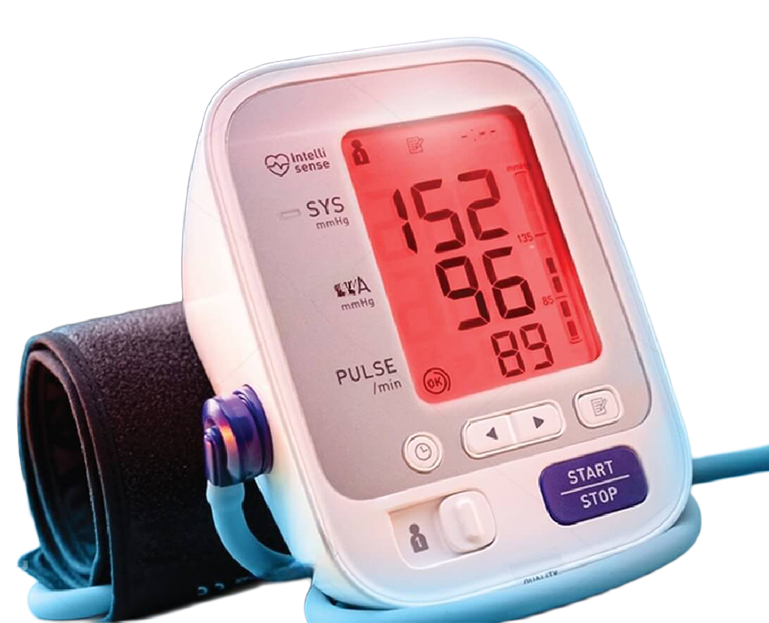
Resistant hypertension refers to high blood pressure that remains difficult to control despite multiple treatment approaches. In many cases, this points to an underlying hormonal cause that hasn’t yet been identified — making endocrine evaluation an important step for blood pressure that isn’t responding as expected.
Book an Appointment
With Dr. Shilika Lalwani
Call / WhatsApp
+91 62640 89752
Causes
- Hormonal conditions such as adrenal gland disorders (including primary aldosteronism)
- Thyroid disorders
- Obesity and insulin resistance
- Sleep apnoea, which is closely linked to poorly controlled blood pressure
- Kidney-related causes
- In some cases, no single clear cause is identified despite thorough evaluation
Types
Secondary hypertension (hormonal)
high blood pressure caused by an identifiable underlying hormonal condition
True resistant hypertension
persistently high blood pressure despite appropriate lifestyle and treatment measures, requiring deeper evaluation
Symptoms to Watch For
Hypertension itself is often called a “silent” condition, causing no symptoms even at high levels. Signs that may point toward an underlying hormonal cause include:
- Muscle weakness or cramping (in some adrenal-related causes)
- Unexplained weight changes
- Excessive thirst or urination
- Fatigue despite treatment
- Symptoms of sleep apnoea, such as loud snoring or daytime sleepiness

Diagnosis

Blood pressure monitoring
including ambulatory monitoring to confirm true resistant hypertension
Blood tests
including electrolyte levels, kidney function, and hormone screening
Adrenal hormone testing
to screen for conditions like primary aldosteronism
Thyroid function tests
Sleep apnoea screening
where relevant, based on symptoms
Treatment & Management
Management focuses on identifying and addressing any underlying hormonal cause:
- Targeted hormonal evaluation to rule in or out specific endocrine causes
- Treatment of any identified underlying condition, such as an adrenal or thyroid disorder
- Coordinated management with lifestyle guidance to support blood pressure control
- Screening and management of sleep apnoea when relevant
- Regular monitoring to assess how blood pressure responds once the underlying cause is addressed


When to Seek Help
Consider an endocrine evaluation if:
- Your blood pressure remains high despite being on multiple treatments
- You have symptoms like muscle weakness, unexplained fatigue, or excessive thirst alongside high blood pressure
- You have signs of sleep apnoea alongside poorly controlled blood pressure
- You'd like to rule out a hormonal cause before continuing to adjust treatment indefinitely
Why Choose Oraya Clinics
Specialist evaluation for hormone-related hypertension from Dr. Shilika Lalwani, looking beyond standard blood pressure management
Targeted testing to identify adrenal, thyroid, or metabolic causes
Coordinated care addressing sleep apnoea and other contributing factors
Clear explanation of findings and what they mean for your long-term blood pressure control
Frequently Asked Questions
When is high blood pressure considered "resistant"?
Generally, when it remains above target despite being on an appropriate combination of treatments and lifestyle measures — this is when further evaluation for underlying causes is recommended.
Can a hormonal condition really cause high blood pressure?
Yes. Certain adrenal and thyroid conditions are well-recognised causes of high blood pressure that doesn’t respond well to standard treatment, and identifying them can significantly change the management approach.
Will I need extra tests beyond a normal blood pressure check?
Likely, yes — blood tests, hormone screening, and sometimes sleep studies help identify whether an underlying condition is contributing to your blood pressure.
If an underlying cause is found and treated, will my blood pressure improve?
Often, yes — though this varies by individual and by how long the condition has been present. Your doctor will discuss realistic expectations based on your specific findings.