
Lipid Disorders
Lipid Disorders (Cholesterol) Treatment in Raipur
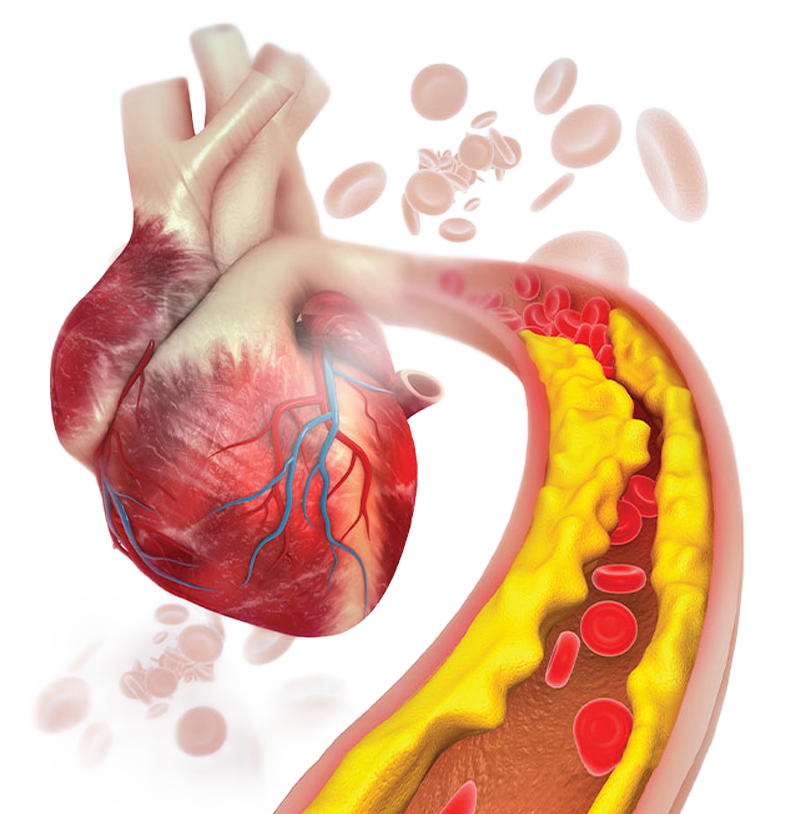
Lipid disorders involve abnormal levels of fats in the blood — primarily cholesterol and triglycerides. While often linked to diet, lipid disorders can also stem from genetic factors or underlying hormonal and metabolic conditions, making them an important area for endocrine evaluation, not just general screening.
Book an Appointment
With Dr. Shilika Lalwani
Call / WhatsApp
+91 62640 89752
Causes
- Genetic predisposition (including familial hypercholesterolemia)
- Diet high in saturated fats and processed foods
- Obesity and insulin resistance
- Thyroid disorders, particularly hypothyroidism
- Diabetes and metabolic syndrome
- Sedentary lifestyle
Types
High LDL cholesterol ("bad" cholesterol)
linked to increased cardiovascular risk
Low HDL cholesterol ("good" cholesterol)
reduces the body's ability to clear excess cholesterol
High triglycerides
often linked to diet, weight, and insulin resistance
Mixed dyslipidemia
a combination of the above patterns
Symptoms to Watch For
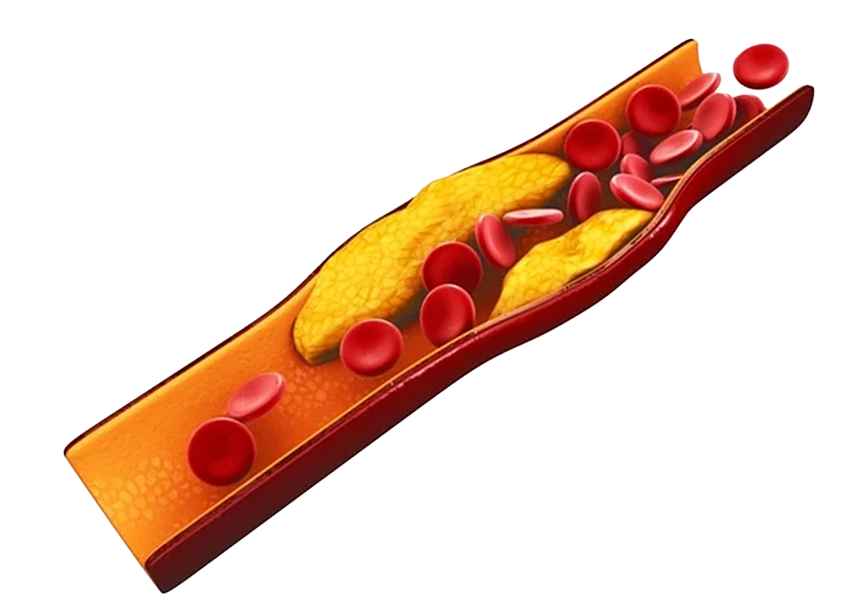
Lipid disorders typically cause no symptoms on their own — this is precisely why they’re often missed until routine screening or a related event (like a cardiovascular issue) prompts testing. In some severe genetic cases, visible signs like fatty deposits around the eyes or joints may appear.
Diagnosis
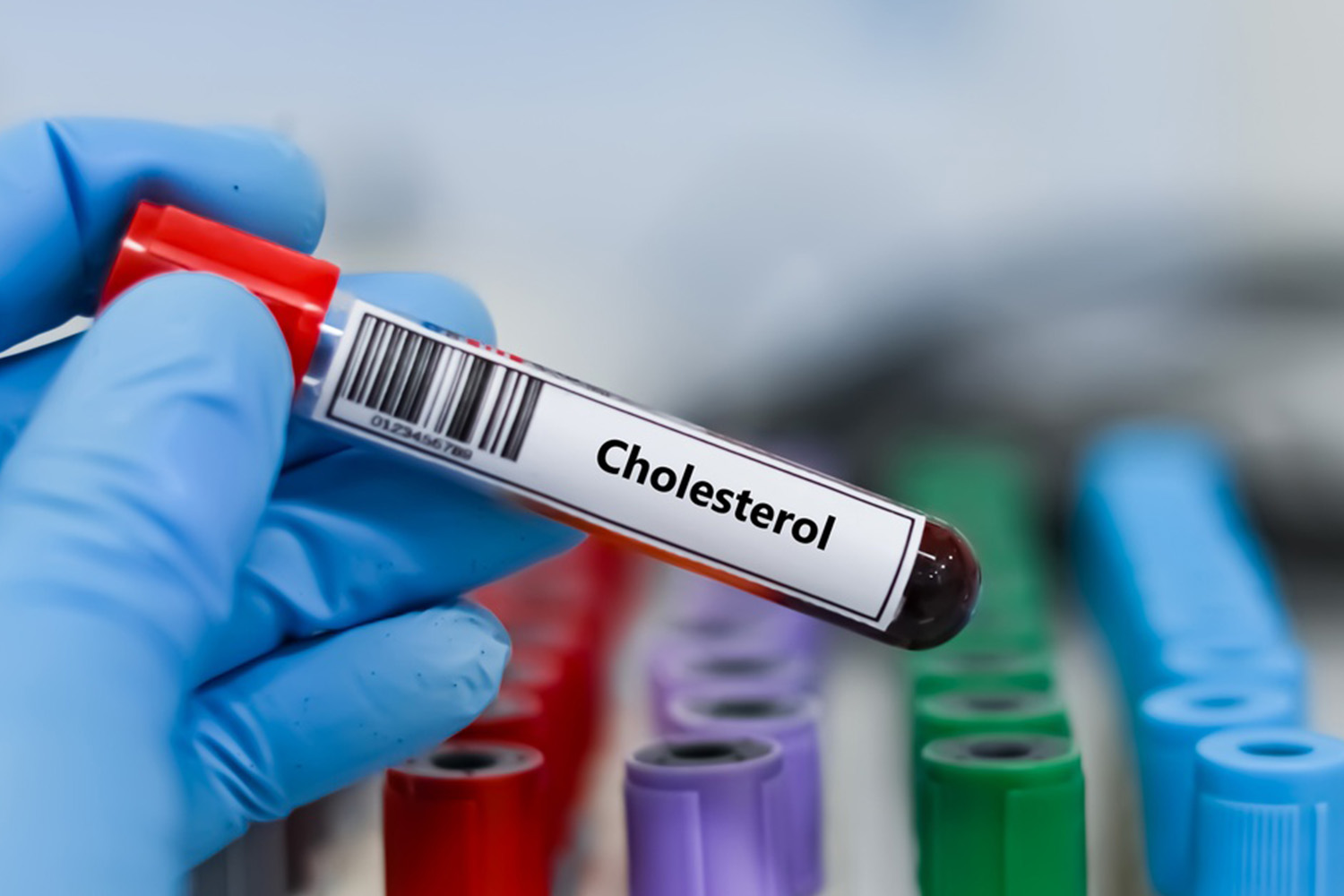
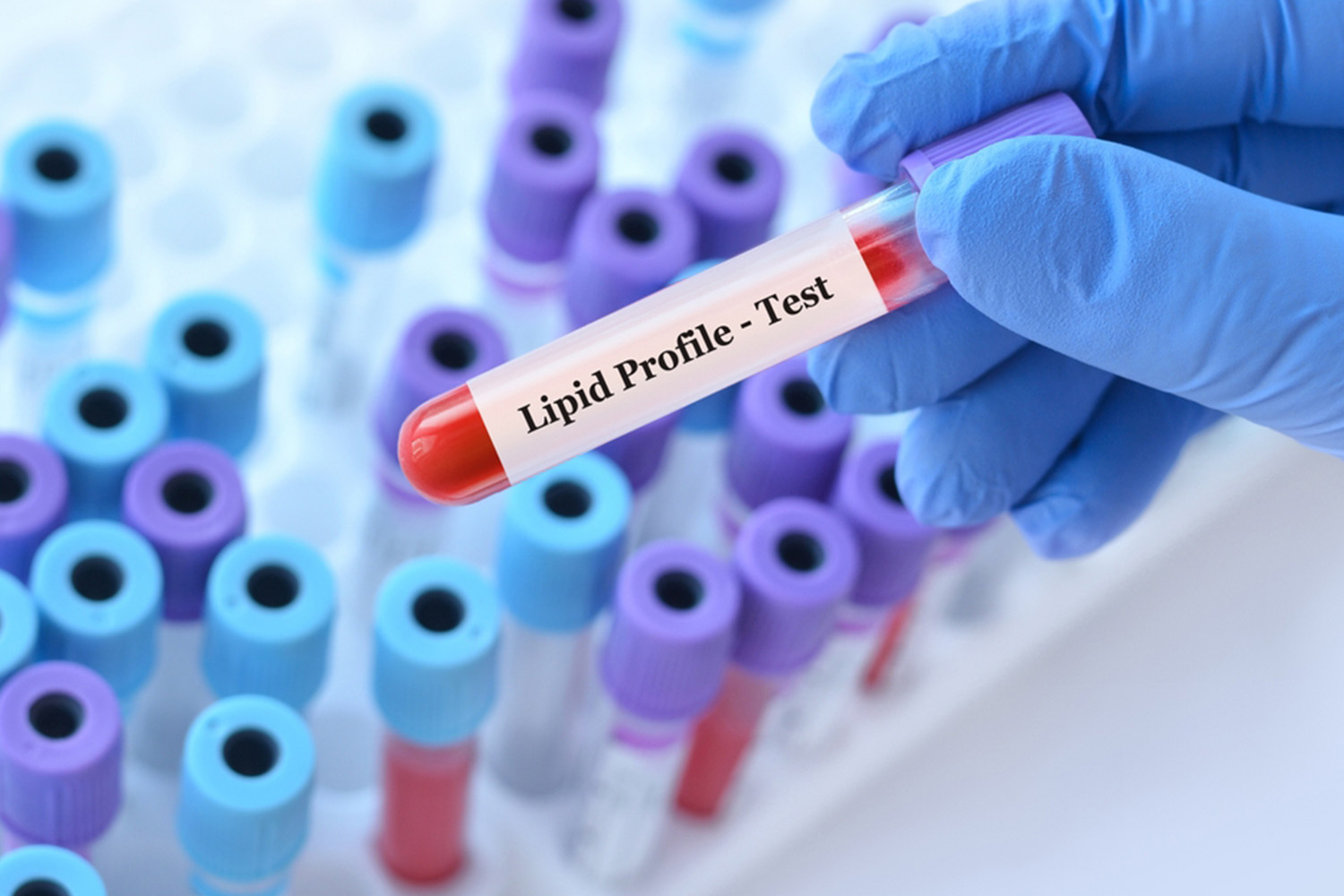
Lipid profile blood test
measuring total cholesterol, LDL, HDL, and triglycerides
Fasting blood glucose or HbA1c
to check for related metabolic conditions
Thyroid function tests
since thyroid disorders can affect cholesterol levels
Family history assessment
particularly important for identifying genetic lipid disorders
Treatment & Management
Lipid management focuses on reducing long-term cardiovascular risk through a personalised plan:
- Identifying whether lipid abnormalities are lifestyle-driven, genetic, or linked to another condition like thyroid disorder or diabetes
- Dietary and lifestyle guidance tailored to your specific lipid pattern
- Regular monitoring to track how levels respond to lifestyle changes or treatment
- Coordinated management when lipid disorders overlap with diabetes, obesity, or thyroid conditions
- In select cases, further medical management may be discussed directly with your doctor based on your cardiovascular risk profile
When to Seek Help
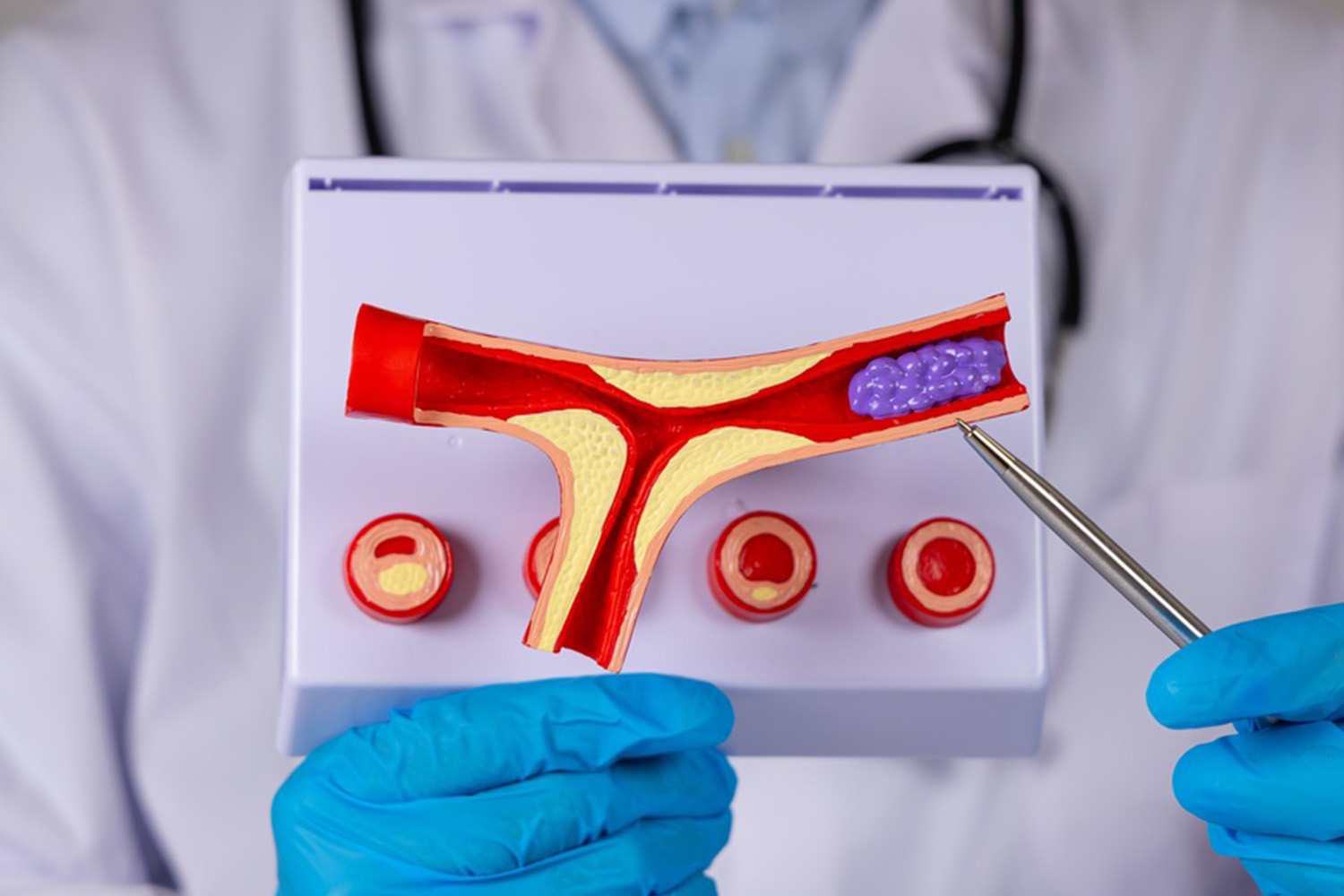
Consider an evaluation if you:
- Haven't had a lipid profile checked in the past 1–2 years
- Have a family history of high cholesterol or early heart disease
- Have related conditions like diabetes, obesity, or thyroid disorder
- Have been told your cholesterol is "borderline" and want a clearer, structured plan
Why Choose Oraya Clinics
Lipid management from Dr. Shilika Lalwani that looks at the underlying hormonal and metabolic picture, not just the numbers
Evaluation for related conditions like thyroid disorders that can directly affect cholesterol levels
Coordinated care when lipid disorders overlap with diabetes or obesity
Clear explanation of your individual cardiovascular risk and what it means for your plan
Frequently Asked Questions
Can high cholesterol be managed without medication?
For many patients, especially with mild to moderate elevation, lifestyle changes can meaningfully improve lipid levels. Whether medication is needed depends on your overall cardiovascular risk profile.
Is high cholesterol always related to diet?
Not always. Genetics, thyroid disorders, and other metabolic conditions can significantly affect cholesterol levels, independent of diet.
How often should I get my cholesterol checked?
Generally every 1–2 years for most adults, though this may be more frequent if you have risk factors or are on treatment.
Can thyroid problems affect my cholesterol?
Yes — hypothyroidism in particular is a well-recognised cause of elevated cholesterol, which is why thyroid function is often checked as part of a lipid evaluation.