
Glandular Disorders
Glandular Disorders Treatment in Raipur
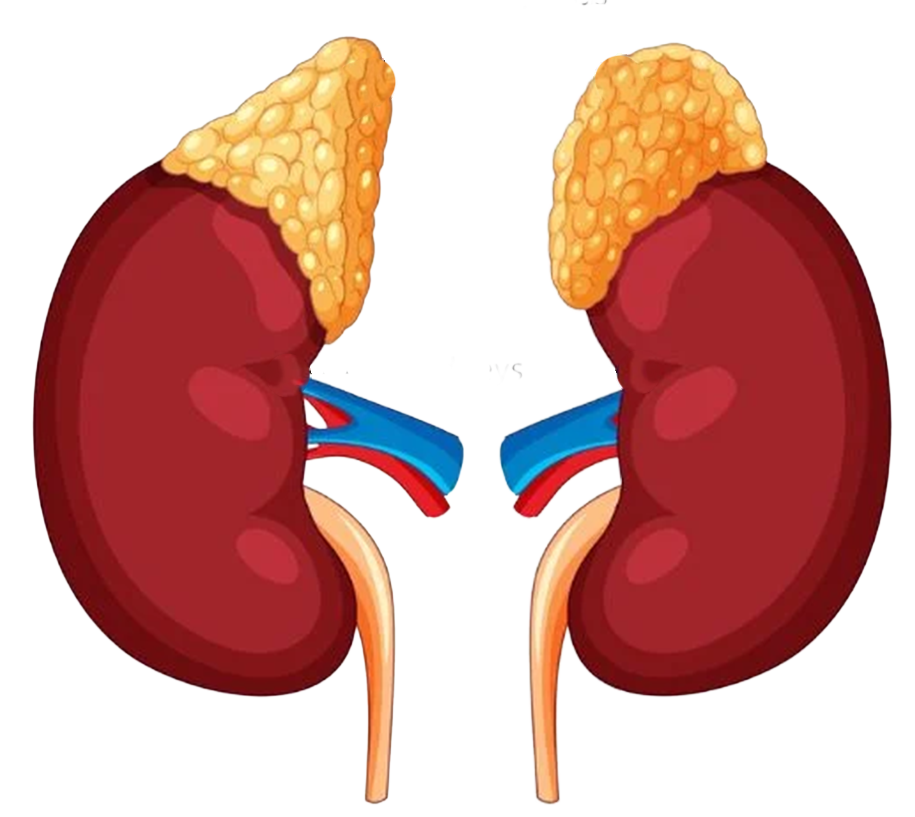
The pituitary and adrenal glands regulate many of the body’s essential hormones, influencing everything from stress response to metabolism to reproductive function. Disorders in these glands can cause wide-ranging symptoms that are often initially mistaken for unrelated issues, making specialist evaluation important for an accurate diagnosis.
Book an Appointment
With Dr. Shilika Lalwani
Call / WhatsApp
+91 62640 89752
Causes
- Benign pituitary tumours (adenomas), which can over- or under-produce hormones
- Adrenal tumours or nodules
- Autoimmune conditions affecting the adrenal glands
- Chronic stress or illness affecting adrenal function
- Genetic or congenital conditions affecting gland development
Types
Pituitary disorders
including growth hormone imbalances, prolactin-related conditions, and disorders affecting other pituitary-regulated hormones
Adrenal insufficiency
the adrenal glands not producing enough hormone
Cushing's syndrome
excess cortisol production
Primary aldosteronism
excess aldosterone production, a known cause of resistant hypertension
Adrenal incidentalomas
adrenal growths found incidentally on imaging, requiring evaluation
Symptoms to Watch For
- Pituitary-related: headaches, vision changes, unexplained changes in growth or menstrual cycles, unexpected milk production, fatigue
- Adrenal-related: unexplained weight changes, muscle weakness, high blood pressure resistant to treatment, skin changes, fatigue, salt cravings
Symptoms of glandular disorders are often subtle or mistaken for other conditions, which is why they can go undiagnosed for a long time.
Diagnosis

Hormone blood tests
specific to the suspected gland and condition
Dynamic hormone testing
specialised tests that assess how hormone levels respond under specific conditions, used for certain pituitary and adrenal disorders
Imaging (MRI/CT)
to visualise the pituitary or adrenal glands directly
Coordinated evaluation
often involving a combination of blood tests and imaging to reach an accurate diagnosis
Treatment & Management
Treatment depends entirely on the specific gland and condition involved:
- Hormone replacement or correction, tailored to the specific deficiency or excess identified
- Discussion of hormone therapy as an option, where appropriate, based on your individual health profile
- Coordinated referral for surgical evaluation in select cases, such as certain pituitary or adrenal tumours
- Long-term follow-up to ensure hormone levels remain stable over time
- Management of related conditions, such as resistant hypertension linked to adrenal causes


When to Seek Help
Consider an evaluation if you have:
- Unexplained symptoms like persistent fatigue, muscle weakness, or unusual weight changes
- High blood pressure that hasn't responded well to standard treatment
- Vision changes or persistent headaches alongside hormonal symptoms
- An adrenal or pituitary growth found incidentally on a scan done for another reason
Why Choose Oraya Clinics
Specialist evaluation of pituitary and adrenal disorders from Dr. Shilika Lalwani
Access to comprehensive hormonal testing to reach an accurate diagnosis
Coordinated care and referral pathways for surgical evaluation when needed
Clear explanation of complex hormonal findings in plain, understandable language
Frequently Asked Questions
Are pituitary and adrenal tumours usually cancerous?
No, the majority are benign. However, they can still cause significant symptoms by over- or under-producing hormones, which is why evaluation and monitoring matter regardless of whether they’re cancerous.
If a growth is found on my adrenal gland by chance, does it need treatment?
Not always — many “incidentalomas” are simply monitored. Evaluation determines whether the growth is producing excess hormone or needs further attention.
Can adrenal problems really cause high blood pressure?
Yes, certain adrenal conditions are a well-recognised cause of high blood pressure, particularly when it doesn’t respond well to standard treatment.
Will I need lifelong hormone treatment for a glandular disorder?
This depends on the specific condition. Some causes are treated definitively (for example, through surgical referral), while others require long-term hormone management — your doctor will clarify what applies to your situation.