
Biliary Disorders & Gallstones
Biliary Disorders and Gallstones Treatment in Raipur
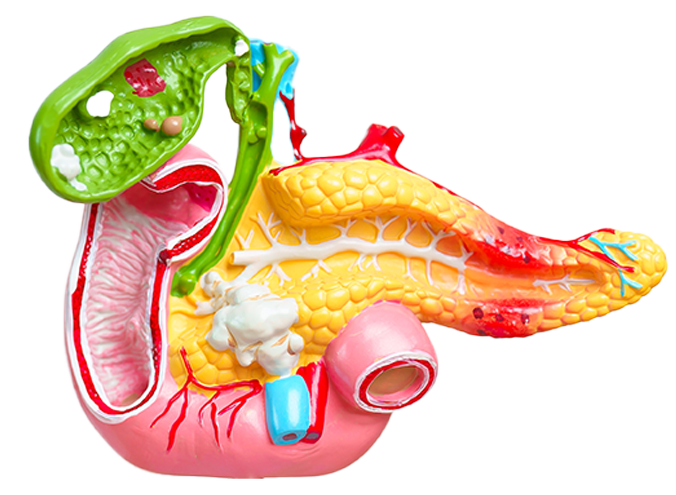
Biliary disorders affect the gallbladder and bile ducts — the system responsible for storing and transporting bile, which helps digest fat. The most common biliary condition is gallstones, but the bile duct system can be affected by other issues as well, including blockages, infections, and strictures.
Book an Appointment
With Dr. Ekant Budhwani
Call / WhatsApp
+91 62640 89752
Causes
- Excess cholesterol or bilirubin in bile, leading to stone formation
- Obesity and rapid weight loss
- Family history of gallstones
- Certain metabolic conditions, including diabetes
- Age and hormonal factors (more common in women, particularly during and after pregnancy)
Types
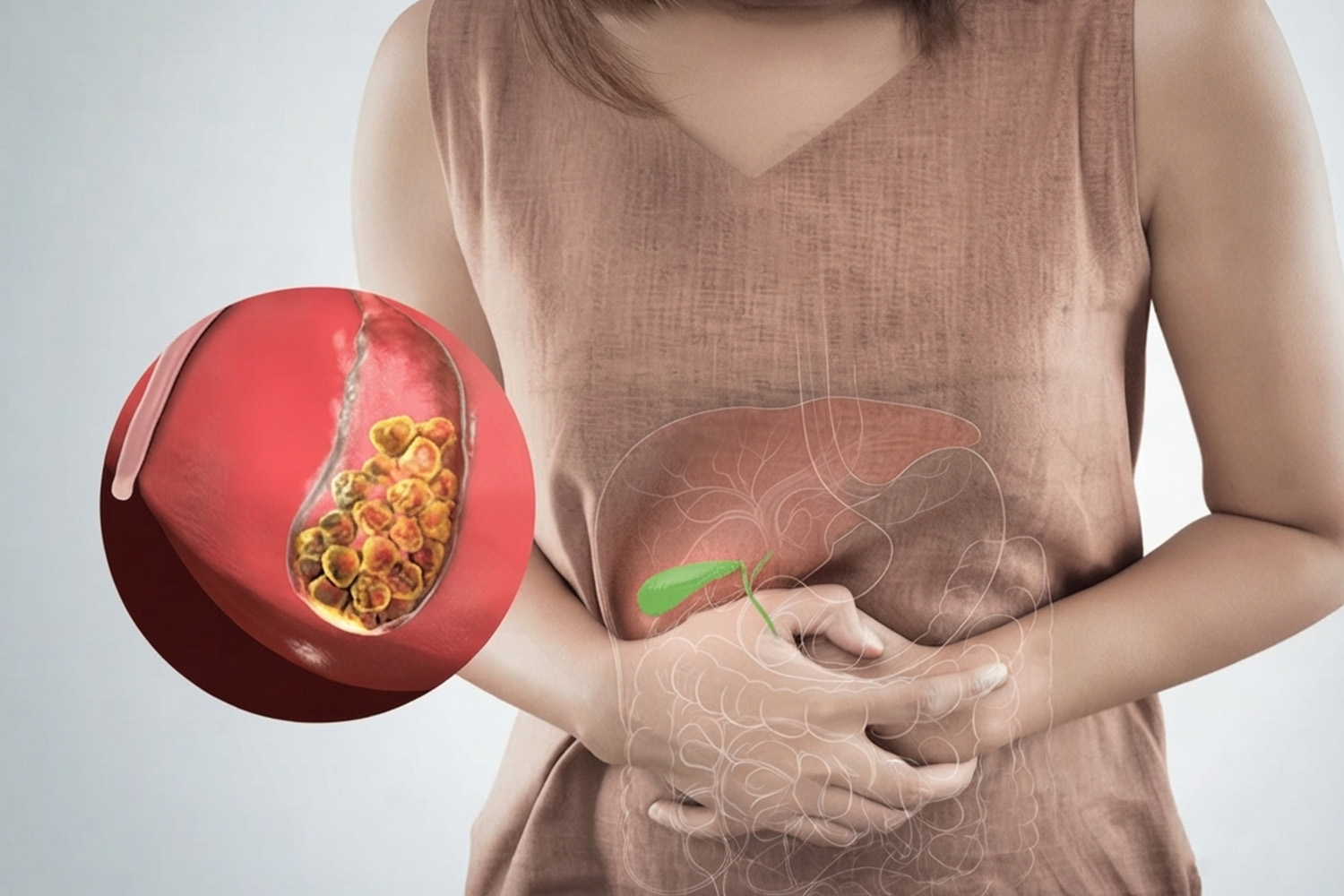
Gallstones (cholelithiasis)
stones forming in the gallbladder, which may or may not cause symptoms
Bile duct stones (choledocholithiasis)
stones that move into the bile duct, often causing more significant symptoms
Biliary strictures
narrowing of the bile duct, from various causes including inflammation or prior surgery
Cholangitis
infection of the bile duct, often related to an obstruction
Symptoms to Watch For
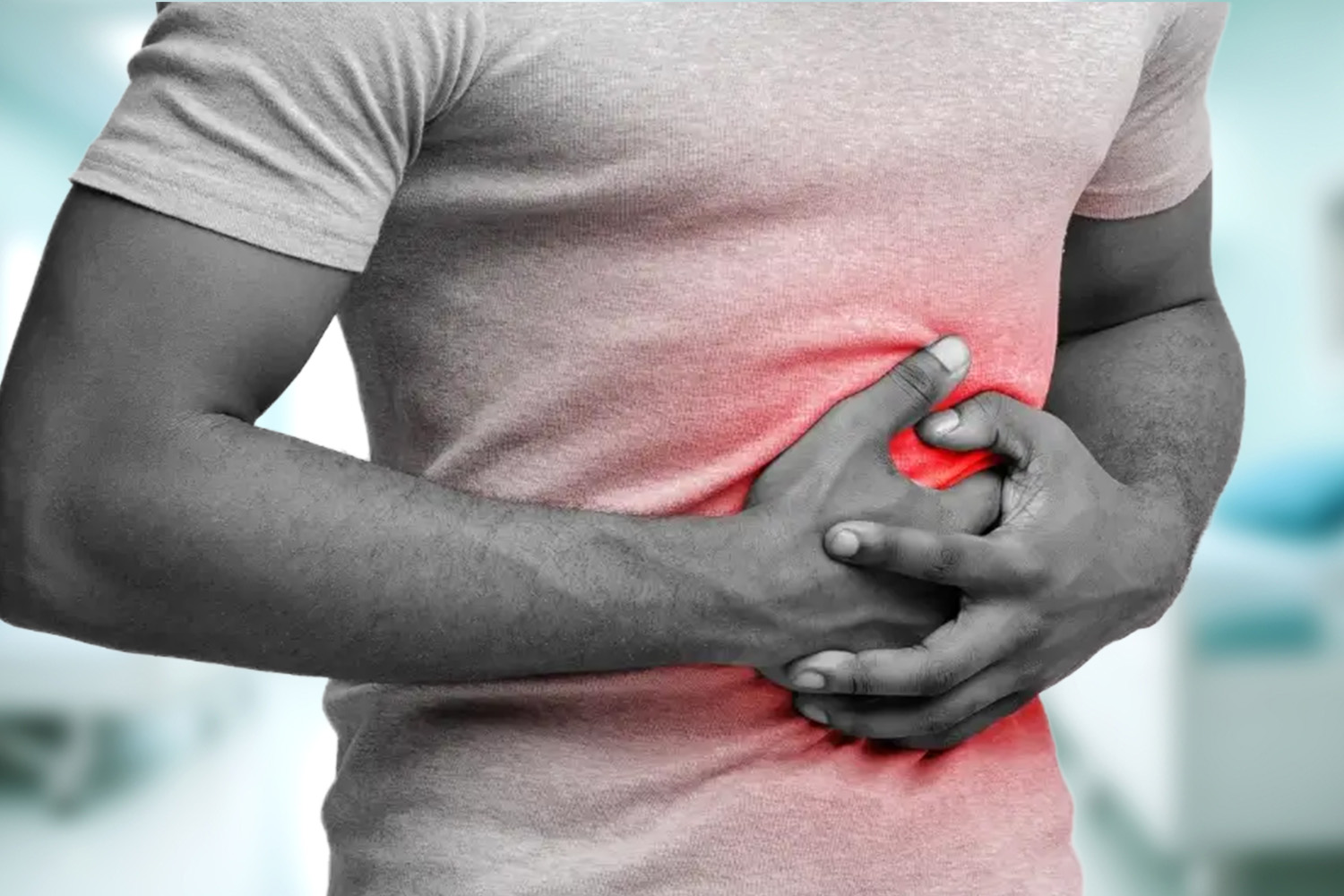
- Sudden, intense pain in the upper right abdomen, often after fatty meals
- Pain radiating to the back or right shoulder
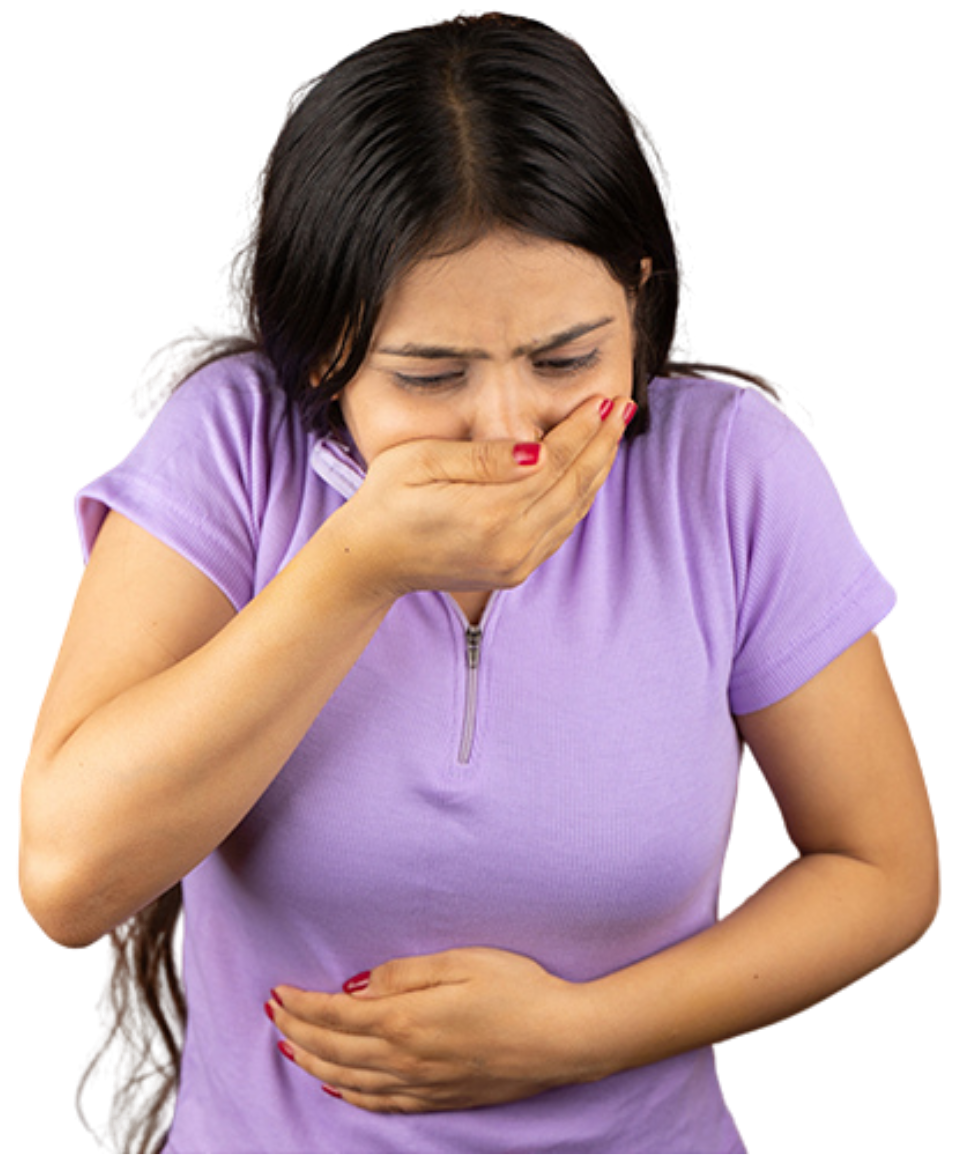
- Nausea and vomiting
- Yellowing of the skin or eyes (jaundice), if the bile duct is blocked
- Fever and chills (a sign of possible infection, requiring urgent attention)
- Dark urine and pale stools
Many gallstones cause no symptoms and are found incidentally on imaging done for other reasons — these are usually monitored rather than treated immediately.
Diagnosis
Ultrasound
the first-line test for detecting gallstones and assessing the gallbladder and bile ducts
Blood tests
to check for signs of infection, inflammation, or bile duct blockage
ERCP
used both to confirm bile duct stones and to remove them in the same procedure
MRI (MRCP)
used in select cases for detailed imaging of the bile duct system
Treatment & Management
Treatment depends on whether stones are causing symptoms or complications:
- Asymptomatic gallstones found incidentally are often monitored rather than treated
- Symptomatic gallstones or bile duct stones are typically managed with ERCP to remove duct stones, often followed by referral for gallbladder removal (cholecystectomy) if the gallbladder itself is the source
- Cases involving infection (cholangitis) require prompt treatment and, often, a short inpatient stay
- Coordinated follow-up to prevent recurrence, particularly for patients with ongoing risk factors
When to Seek Help
Seek urgent care for:
- Sudden, severe upper abdominal pain with fever or jaundice
Seek urgent evaluation for:
- Recurring upper right abdominal pain, particularly after meals
- Gallstones found incidentally on a scan, to discuss whether monitoring or treatment is appropriate
- Jaundice or dark urine without a clear explanation
Why Choose Oraya Clinics
Advanced ERCP expertise from Dr. Ekant Budhwani for direct diagnosis and treatment of bile duct stones
Coordinated inpatient care at Acellus Hospital for cases requiring admission
Clear guidance on whether incidentally found gallstones need treatment or monitoring
Coordinated referral pathway for surgical care when gallbladder removal is needed
Frequently Asked Questions
Do all gallstones need to be treated?
No. Gallstones that aren’t causing symptoms are often simply monitored. Treatment is generally recommended when stones cause pain, block the bile duct, or lead to complications.
What is ERCP used for with gallstones?
ERCP is used to detect and remove stones that have moved into the bile duct — something that can’t be treated through gallbladder removal alone if the duct is already blocked.
Will I need my gallbladder removed?
This depends on your specific situation. If the gallbladder is the ongoing source of stones or symptoms, referral for surgical removal is often recommended alongside ERCP treatment of any duct stones.
Is bile duct infection (cholangitis) an emergency?
Yes — fever, jaundice, and abdominal pain together can indicate a bile duct infection, which needs prompt medical attention.