
Viral Hepatitis
Viral Hepatitis Treatment in Raipur
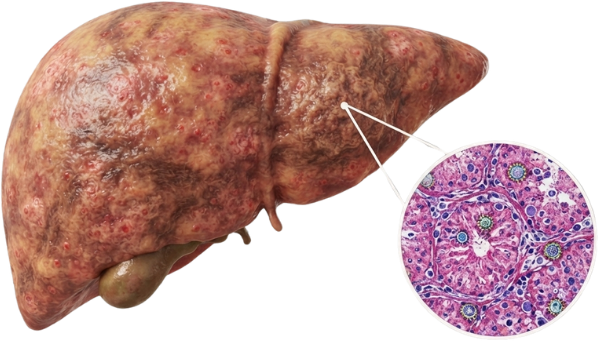
Viral hepatitis is inflammation of the liver caused by a viral infection. Some forms resolve on their own, while others can become chronic and lead to long-term liver damage if untreated — making early diagnosis and monitoring essential for liver health.
Book an Appointment
With Dr. Ekant Budhwani
Call / WhatsApp
+91 62640 89752
Causes
- Hepatitis A & E — typically spread through contaminated food or water
- Hepatitis B — spread through blood, bodily fluids, or from mother to child during birth
- Hepatitis C — primarily spread through blood contact, including unsafe medical or dental procedures
Types
Acute hepatitis
short-term infection that often resolves without long-term effects (more common with Hepatitis A and E)
Chronic hepatitis
a long-term infection that persists and can gradually damage the liver over time (more common with Hepatitis B and C)
Symptoms to Watch For
- Fatigue
- Yellowing of the skin or eyes (jaundice)
- Dark urine and pale stools
- Loss of appetite and nausea
- Abdominal discomfort, particularly in the upper right area
- Many chronic cases have no symptoms for years, only being detected through screening or routine blood tests
Diagnosis

Blood tests
to detect specific hepatitis viruses and assess liver function
Viral load testing
to determine the level of active infection in chronic cases
FibroScan
to assess liver stiffness and detect any early scarring (fibrosis)
Ultrasound
to evaluate the liver's overall structure and rule out complications
Treatment & Management
Management depends on the type and stage of hepatitis:
- Acute hepatitis is often monitored with supportive care as the body clears the infection
- Chronic Hepatitis B and C require structured, long-term monitoring and, in many cases, specific treatment to control or clear the virus
- Regular liver function monitoring through blood tests and FibroScan to track disease activity
- Screening for and management of any liver damage that has already occurred
- Family screening is often recommended, particularly for Hepatitis B, due to transmission risk


When to Seek Help
Consider testing or evaluation if you:
- Have symptoms like jaundice, dark urine, or unexplained fatigue
- Have a known exposure risk (e.g., through blood, unsafe procedures, or a family member with hepatitis B or C)
- Have never been tested for hepatitis B or C but have relevant risk factors
- Have been diagnosed previously but haven't had regular monitoring
Why Choose Oraya Clinics
Specialist hepatology care from Dr. Ekant Budhwani, formerly part of a liver transplant team at Aakash Healthcare, New Delhi
Non-invasive monitoring options, including FibroScan, to track liver health over time
Clear guidance on transmission risk and family screening where relevant
Coordinated, long-term follow-up rather than a one-time test
Frequently Asked Questions
Can Hepatitis B or C be cured?
Hepatitis C can often be effectively treated and cleared with modern approaches. Hepatitis B is usually managed long-term to control the virus and protect the liver, rather than fully cured in most cases — this varies by individual and should be discussed directly with your doctor.
How is viral hepatitis spread?
This depends on the type. Hepatitis A and E typically spread through contaminated food or water, while Hepatitis B and C spread through blood or bodily fluid contact.
If I have no symptoms, could I still have hepatitis?
Yes. Chronic Hepatitis B and C often cause no symptoms for years while still affecting the liver, which is why testing is important for anyone with risk factors, even without symptoms.
Should my family be tested if I have Hepatitis B?
Often, yes — particularly close family members, due to the risk of transmission. This is something to discuss directly with your doctor based on your specific situation.