
GERD and Chronic Acidity
GERD and Chronic Acidity Treatment in Raipur
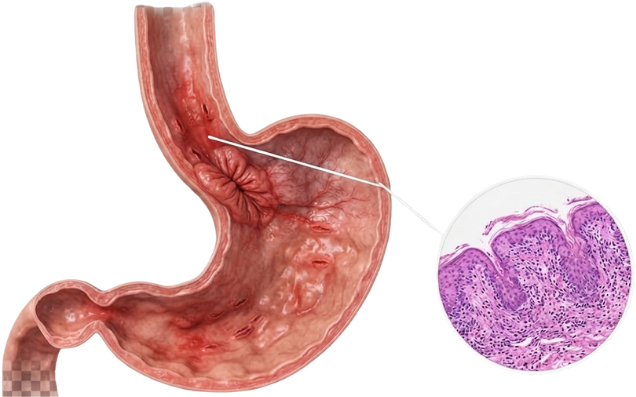
GERD (Gastroesophageal Reflux Disease) occurs when stomach acid frequently flows back into the food pipe, causing irritation. Occasional acidity is common and usually harmless, but when it becomes frequent or persistent, it’s classified as GERD and needs proper evaluation and management.
Book an Appointment
With Dr. Ekant Budhwani
Call / WhatsApp
+91 62640 89752
Causes
- A weakened lower oesophageal sphincter (the valve between the stomach and food pipe)
- Hiatal hernia
- Obesity, which increases abdominal pressure
- Certain foods, large meals, or lying down soon after eating
- Smoking and alcohol use
- Pregnancy
Types
Non-erosive reflux disease (NERD)
reflux symptoms without visible damage to the food pipe lining
Erosive esophagitis
reflux causing visible inflammation or damage on gastroscopy
Barrett's oesophagus
a longer-term complication of untreated GERD requiring specific monitoring
Symptoms to Watch For
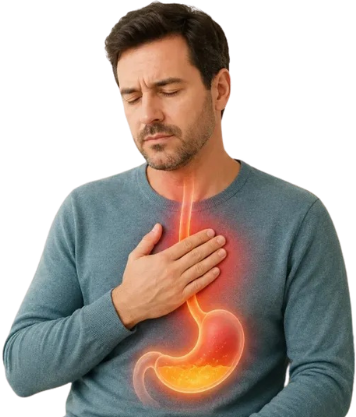
- Frequent heartburn or a burning sensation in the chest
- Regurgitation of acid or food
- Chronic cough or throat irritation
- Hoarseness, particularly in the morning
- A sensation of a lump in the throat
- Worsening symptoms when lying down or after meals
Diagnosis

Detailed symptom history
frequency, triggers, and response to initial measures
Gastroscopy
to check for inflammation, damage, or complications like Barrett's oesophagus
Oesophageal manometry
in select cases, to assess muscle function contributing to reflux
pH monitoring
used in certain cases to confirm and quantify acid exposure
Treatment & Management
GERD management typically follows a staged approach:
- Lifestyle and dietary adjustments — meal timing, trigger foods, weight management where relevant
- Positional changes, such as avoiding lying down soon after meals
- Structured, long-term management plans for chronic cases, with regular review
- Monitoring for complications like Barrett's oesophagus in long-standing or severe cases
- In select cases, procedural options may be discussed directly with your doctor if lifestyle and standard management aren't sufficient


"Long-standing, untreated GERD can lead to complications, so ongoing or worsening symptoms shouldn't be managed indefinitely without a proper evaluation."
When to Seek Help
Consider a specialist evaluation if you have:
- Heartburn or acidity more than twice a week
- Symptoms that haven't improved with basic lifestyle changes
- Difficulty or pain when swallowing alongside reflux symptoms
- Unexplained weight loss or persistent cough linked to reflux
Why Choose Oraya Clinics
Thorough GERD evaluation from Dr. Ekant Budhwani, including gastroscopy to check for complications
Access to oesophageal manometry when reflux is linked to motility issues
Structured, long-term management plans rather than symptom-only treatment
Monitoring for Barrett's oesophagus and other long-term complications where relevant
Frequently Asked Questions
Is occasional acidity the same as GERD?
No. Occasional acidity after certain foods or meals is common and usually not a concern. GERD refers to frequent, recurring reflux that needs proper management.
Can GERD be managed without long-term treatment?
For many patients, lifestyle and dietary changes significantly reduce symptoms. Some cases need longer-term, structured management — this is assessed individually.
Is GERD linked to cancer risk?
Long-standing, untreated GERD can, in some cases, lead to a condition called Barrett’s oesophagus, which requires monitoring. This is why persistent symptoms shouldn’t be ignored.
Do I need a gastroscopy for GERD?
Not for every case, but it’s recommended if symptoms are severe, persistent, or associated with swallowing difficulty, weight loss, or a poor response to initial measures.