
Osteoporosis
Osteoporosis Treatment in Raipur
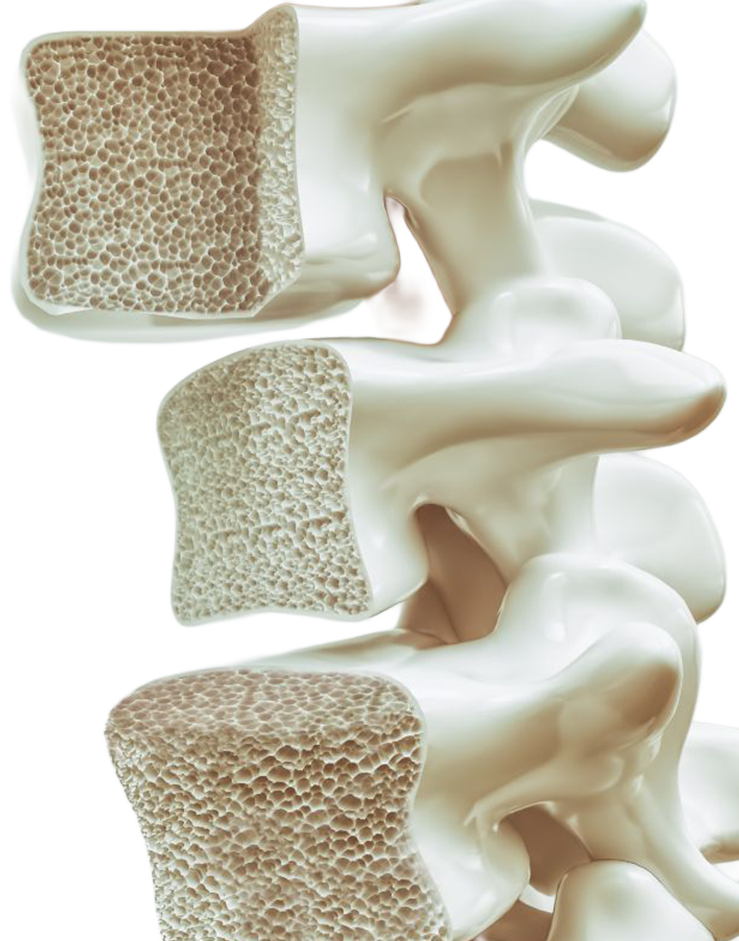
Osteoporosis is a condition where bones become weaker and more porous, increasing the risk of fractures — often from falls or activities that wouldn’t normally cause injury. It develops gradually over time, frequently without any warning signs, which is why proactive screening matters for at-risk individuals.
Book an Appointment
With Dr. Shilika Lalwani
Call / WhatsApp
+91 62640 89752
Causes
- Age-related decline in bone density, particularly after menopause
- Hormonal changes — oestrogen decline in women, testosterone decline in men
- Low calcium and vitamin D levels
- Sedentary lifestyle
- Certain medical conditions and long-term use of specific medications
- Family history of osteoporosis or fractures
Types
Primary osteoporosis
related to age and hormonal changes, particularly post-menopause
Secondary osteoporosis
resulting from another underlying condition or medication use
Osteopenia
a milder reduction in bone density, considered a precursor stage requiring monitoring
Symptoms to Watch For
Osteoporosis is often called a “silent” condition, with no symptoms until a fracture occurs. Signs that may indicate advanced bone loss include:
- Loss of height over time
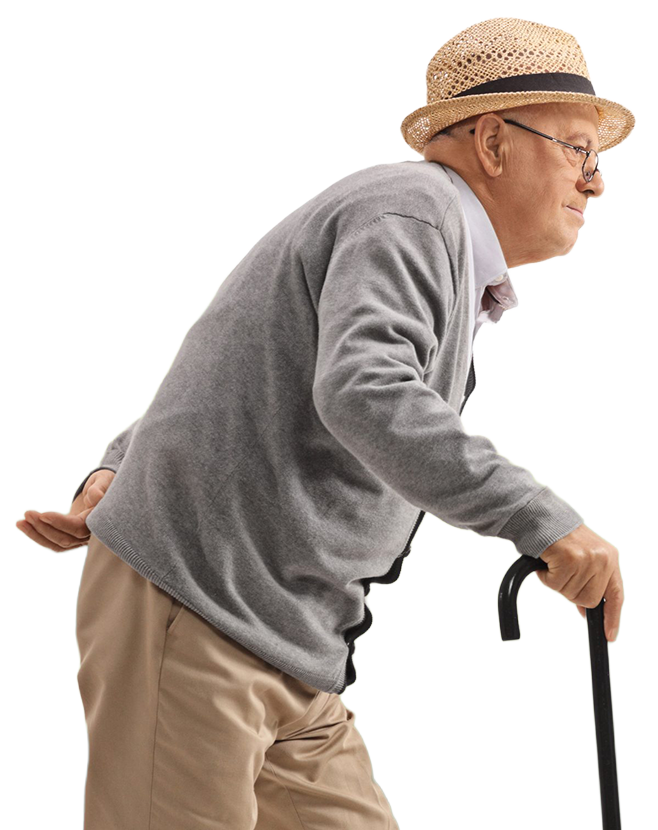
- A stooped posture
- Back pain from a weakened or fractured vertebra
- A fracture occurring from a minor fall or bump
Diagnosis
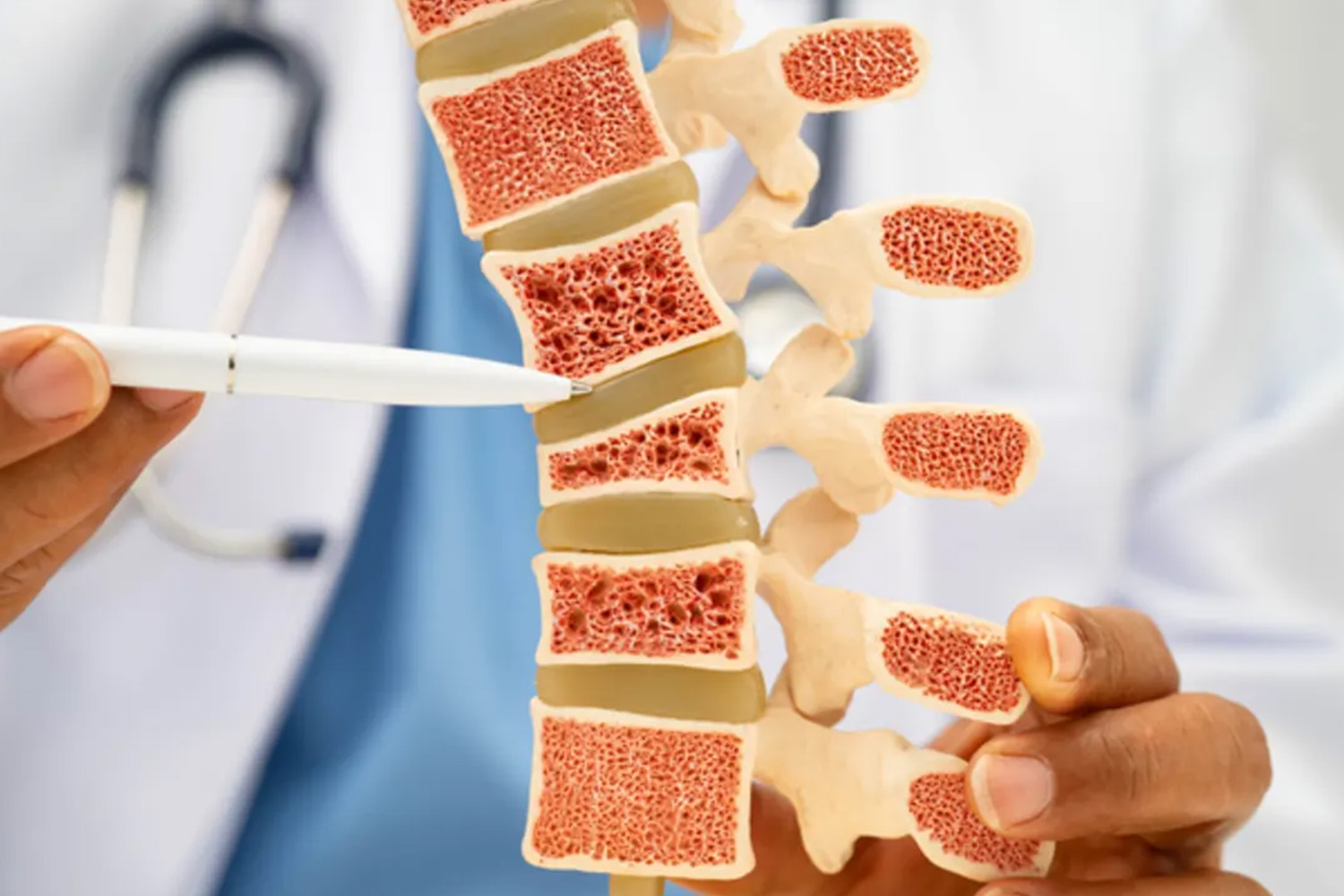
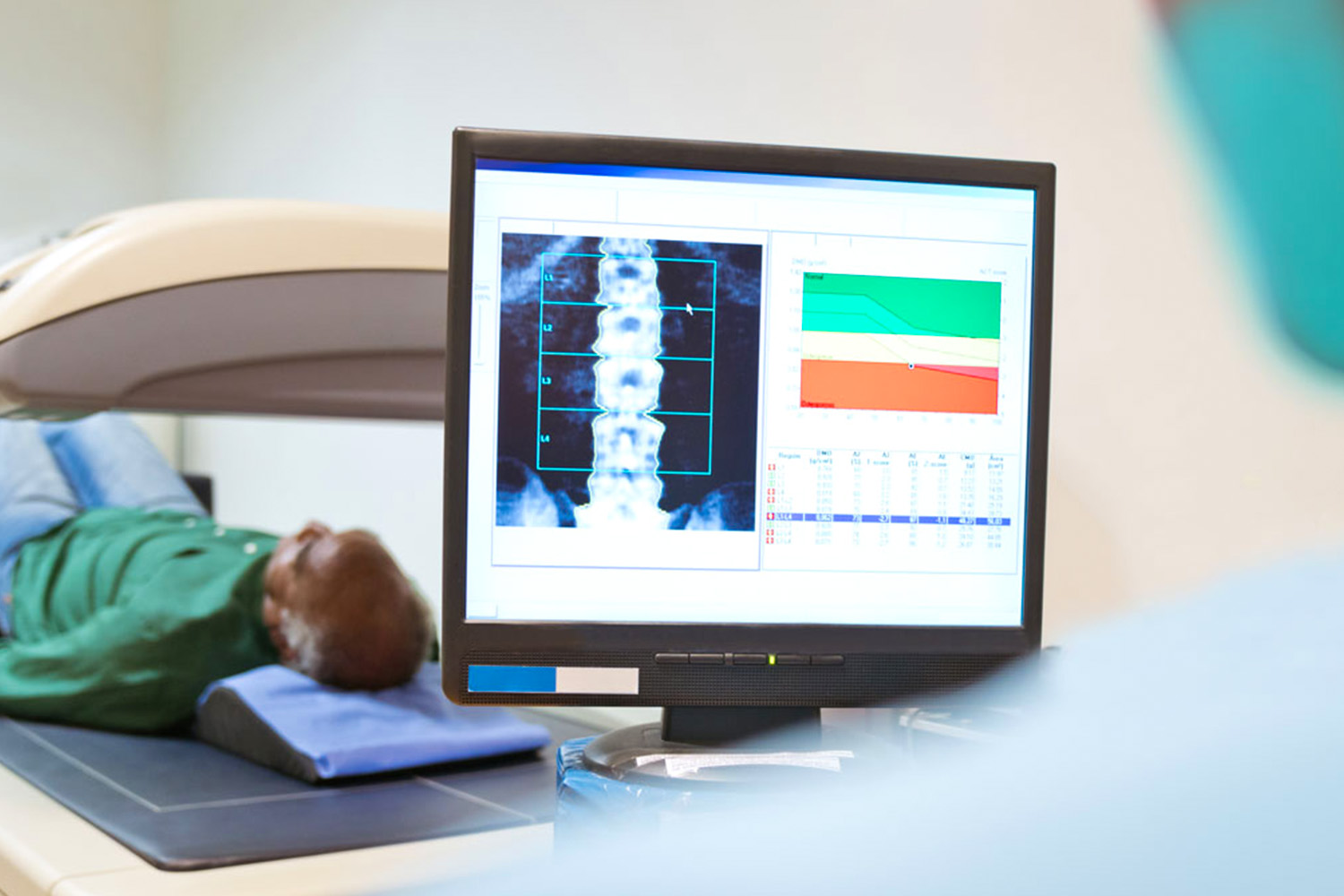
Bone density scan (DEXA)
the primary test for measuring bone mineral density
Blood tests
including calcium, vitamin D, and markers of bone metabolism
Fracture risk assessment
combining bone density results with individual risk factors
Hormone evaluation
where relevant, particularly for secondary causes
Treatment & Management
Osteoporosis management focuses on preventing fractures and slowing further bone loss:
- Correcting calcium and vitamin D levels where deficient
- Structured, weight-bearing activity guidance to support bone strength
- Regular monitoring through follow-up bone density scans to track progress
- Fall-prevention guidance for patients at higher fracture risk
When to Seek Help
Consider a bone health evaluation if you:
- Are postmenopausal, or approaching menopause, without a prior bone density assessment
- Have a family history of osteoporosis or fractures
- Have experienced a fracture from a minor fall or bump
- Have a condition or are on long-term medication known to affect bone density
Why Choose Oraya Clinics
Specialist bone and mineral metabolism evaluation from Dr. Shilika Lalwani
Identification of underlying hormonal or secondary causes, not just a standalone bone scan
Structured, long-term monitoring plans to track bone health over time
Coordinated care around menopause and other hormonal transitions affecting bone density
Frequently Asked Questions
At what age should I get a bone density scan?
Generally recommended around menopause for women, or earlier if you have risk factors such as family history or a related medical condition. Men may also need evaluation, particularly with risk factors present.
Can osteoporosis be reversed?
Bone density can often be stabilised or improved with the right treatment plan, particularly when addressed early — though the degree of improvement varies by individual.
Is osteoporosis only a concern for older women?
No. While it’s more common after menopause, osteoporosis can affect men and younger individuals too, particularly when linked to another underlying condition.
How often should bone density be rechecked?
This depends on your initial results and risk factors — your doctor will recommend an appropriate interval, often every 1–2 years for those being monitored or treated.