
Colorectal Cancer
Colorectal Cancer Screening in Raipur
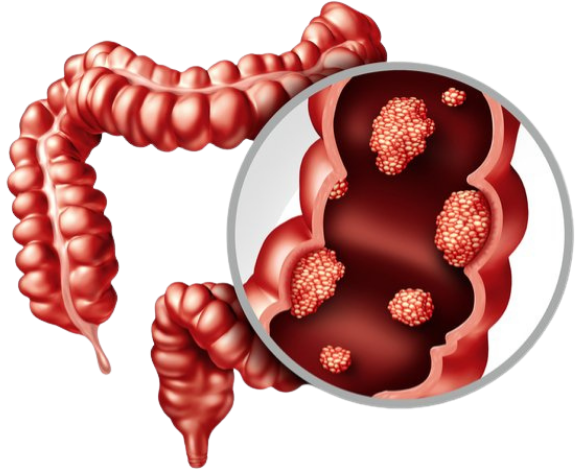
Colorectal cancer develops in the colon or rectum, often starting as small, non-cancerous growths called polyps. Not all polyps become cancerous, but some can develop into cancer over time if left undetected — which is why screening is one of the most effective forms of prevention available.
Book an Appointment
With Dr. Ekant Budhwani
Call / WhatsApp
+91 62640 89752
Causes & Risk Factors
- Age (risk increases significantly after 45–50)
- Family history of colorectal cancer or polyps
- Personal history of IBD (Crohn's disease or ulcerative colitis)
- Diet low in fibre and high in processed or red meat
- Obesity, sedentary lifestyle, smoking, and heavy alcohol use
- Certain inherited genetic conditions
Types
Adenocarcinoma
the most common type, arising from the glandular lining of the colon or rectum
Less common types, including carcinoid tumours and gastrointestinal stromal tumours (GISTs)
Symptoms to Watch For
- Recurrent a Changes in bowel habits lasting more than a few weeksbdominal pain, often relieved after passing stool
- Blood in stool, or dark/tarry stools
- Unexplained weight loss
- Persistent abdominal discomfort or cramping
- A feeling that the bowel doesn't empty completely
- Unexplained fatigue or anaemia
Early-stage colorectal cancer often causes no symptoms at all — this is why screening for at-risk individuals matters, even without complaints.

Diagnosis

Colonoscopy
the gold-standard screening and diagnostic test, allowing direct visualisation and removal of polyps if found
Stool-based tests
used as an initial screening option in some cases
Blood tests
to check for anaemia or relevant markers
Biopsy
performed during colonoscopy if a suspicious growth is found
Imaging (CT/MRI)
used for staging if cancer is confirmed
Treatment & Management
Management depends heavily on how early the condition is detected:
- Polyps found during screening colonoscopy can often be removed during the same procedure, preventing progression to cancer
- Confirmed cases are managed through a coordinated plan, which may involve referral to surgical or oncology specialists depending on stage
- Regular follow-up colonoscopy is recommended based on individual risk and findings
- Screening at recommended intervals remains the most effective long-term prevention strategy

When to Seek Help
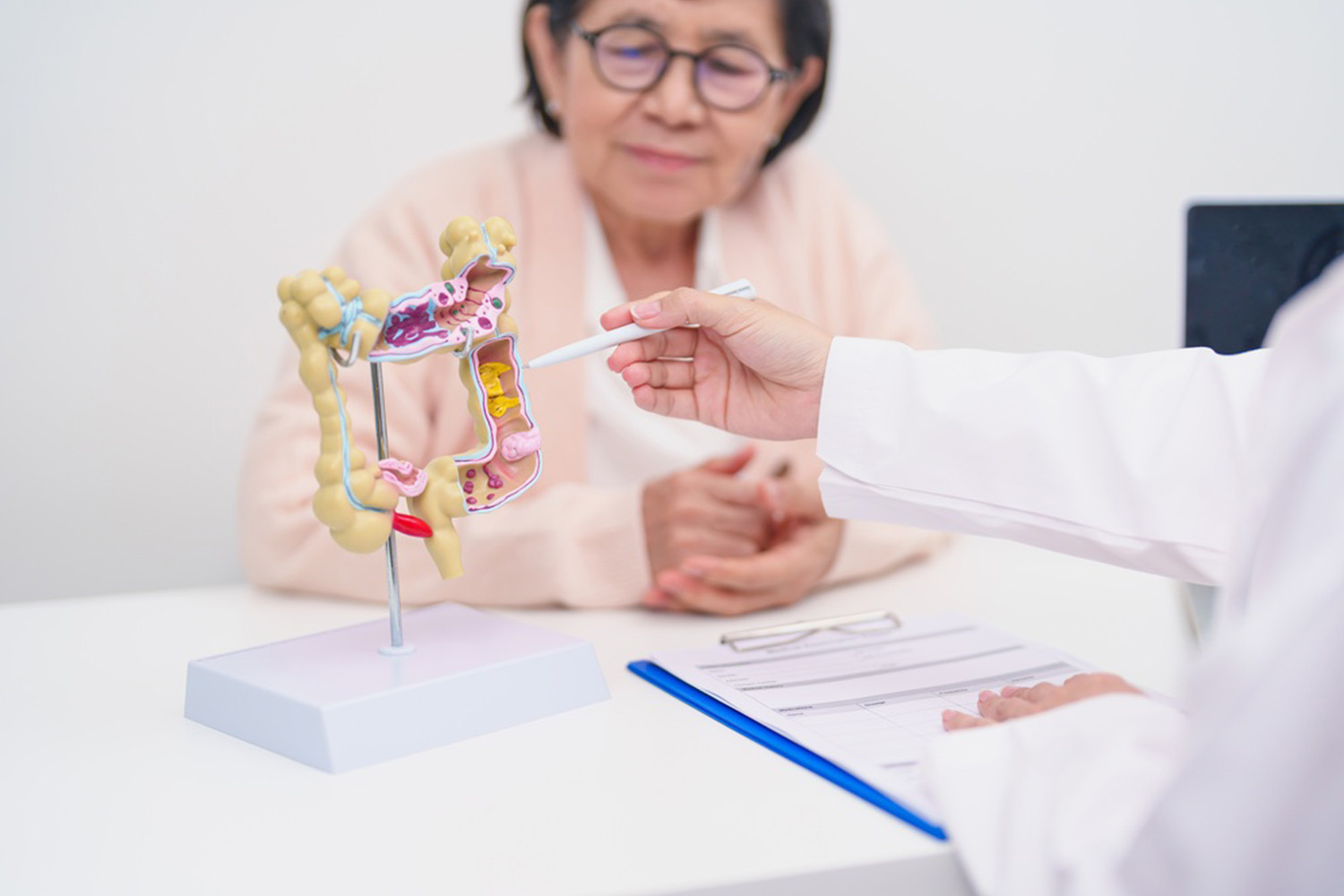
You should consider colorectal cancer screening if you:
- Are over 45, even without symptoms
- Have a family history of colorectal cancer or polyps
- Have a personal history of IBD
- Notice blood in your stool or unexplained changes in bowel habits at any age
Why Choose Oraya Clinics
Colonoscopy-based colorectal cancer screening performed by Dr. Ekant Budhwani, trained at AIG Hospitals, Hyderabad
Ability to detect and remove polyps during the same procedure, reducing the need for repeat visits
Clear explanation of your personal risk factors and recommended screening intervals
Coordinated referral pathway if further specialist treatment is needed
Frequently Asked Questions
At what age should I start colorectal cancer screening?
Generally from age 45, though this may be earlier if you have a family history or other risk factors — this should be discussed individually with your doctor.
Is colonoscopy the only way to screen for colorectal cancer?
It’s the most thorough method, as it allows both detection and removal of polyps in the same procedure. Other screening options exist but may require follow-up colonoscopy if results are abnormal.
If a polyp is found, does that mean I have cancer?
No. Most polyps are non-cancerous, but they’re removed as a precaution since some types can develop into cancer over time if left untreated.
How often should I repeat a colonoscopy after screening?
This depends on what was found during your first screening and your individual risk factors — your doctor will advise a specific follow-up interval.