
Thyroid Disorders
Thyroid Disorders Treatment in Raipur
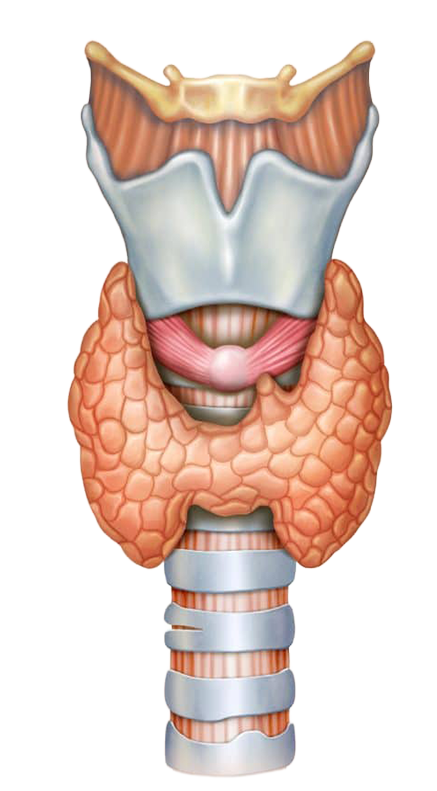
The thyroid gland regulates metabolism, energy, and many other body functions through the hormones it produces. When the thyroid produces too much or too little hormone, or develops structural changes, it can affect nearly every system in the body — making accurate diagnosis essential.
Book an Appointment
With Dr. Shilika Lalwani
Call / WhatsApp
+91 62640 89752
Causes
- Autoimmune conditions (such as Hashimoto's thyroiditis or Graves' disease)
- Iodine deficiency or excess
- Certain medications or prior thyroid/neck treatments
- Genetic predisposition
- Pregnancy-related thyroid changes
Types
Hypothyroidism
underactive thyroid, producing too little hormone
Hyperthyroidism
overactive thyroid, producing too much hormone
Thyroid nodules
lumps or growths in the thyroid, most of which are benign but require evaluation
Thyroiditis
inflammation of the thyroid, which can cause temporary swings in hormone levels
Symptoms to Watch For
- Hypothyroidism: fatigue, weight gain, cold intolerance, dry skin, hair thinning, low mood
- Hyperthyroidism: unexplained weight loss, rapid heartbeat, heat intolerance, anxiety, tremors, sleep disturbance
- Thyroid nodules: often no symptoms; sometimes a visible or palpable lump in the neck, or pressure/swallowing changes if large

Diagnosis
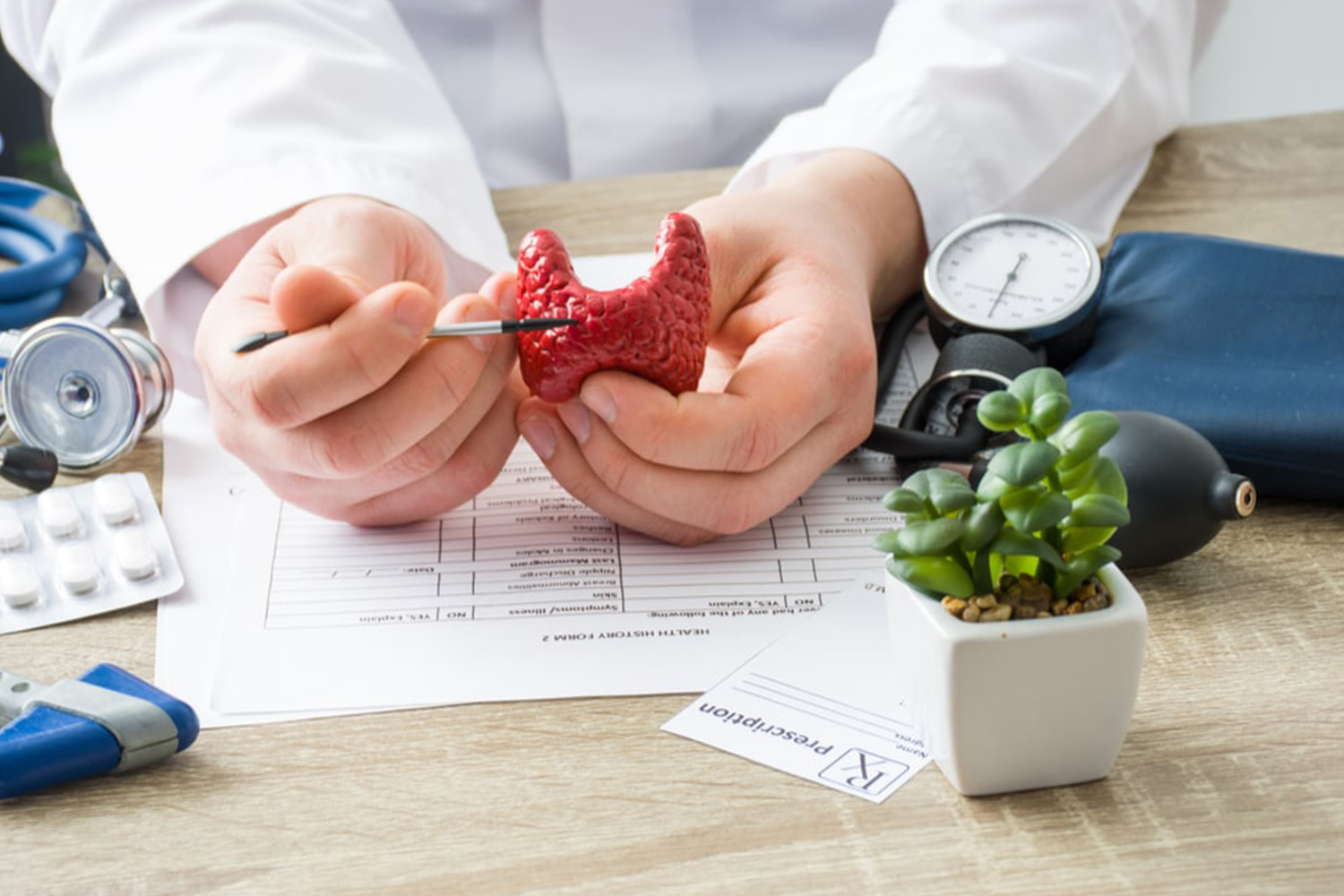
Thyroid function tests (TSH, T3, T4)
the primary blood tests used to assess thyroid activity
Thyroid antibody tests
to identify autoimmune causes
Ultrasound
used to evaluate nodules or structural changes
Fine needle aspiration (FNA) biopsy
for select nodules requiring further evaluation
Treatment & Management
Thyroid disorder management depends on the specific condition and its severity:
- Hormone level correction and monitoring for both underactive and overactive thyroid conditions
- Regular blood test follow-up to keep levels stable over time, with adjustments as needed
- Structured monitoring for thyroid nodules, including repeat ultrasound where appropriate
- Coordinated care during pregnancy, when thyroid levels need closer monitoring
- Long-term management plans for chronic autoimmune thyroid conditions


When to Seek Help
Consider an evaluation if you experience:
- Persistent fatigue, weight changes, or temperature sensitivity that doesn't have another explanation
- A noticeable lump or swelling in the neck
- Irregular heartbeat, anxiety, or tremors without a clear cause
- Thyroid levels that fluctuate despite ongoing treatment elsewhere
Why Choose Oraya Clinics
Specialist thyroid disorder management from Dr. Shilika Lalwani, covering hormone imbalance and nodule evaluation
Structured, ongoing monitoring rather than one-off testing
Clear explanation of test results and what they mean for your treatment plan
Coordinated care during pregnancy or when thyroid issues overlap with other hormonal conditions
Frequently Asked Questions
Is hypothyroidism a lifelong condition?
In most cases, yes — but it’s very manageable with regular monitoring and treatment adjustment, allowing most patients to feel completely normal.
Are thyroid nodules usually cancerous?
No, the majority of thyroid nodules are benign. However, all nodules should be evaluated to rule out the small proportion that need further attention.
Can thyroid problems affect fertility or pregnancy?
Yes, both underactive and overactive thyroid conditions can affect fertility and pregnancy outcomes, which is why monitoring is especially important during this time.
How often should thyroid levels be checked?
This depends on whether your condition is newly diagnosed, being adjusted, or stable — your doctor will set an appropriate monitoring schedule.