
IBD
Inflammatory Bowel Disease (IBD) Treatment in Raipur
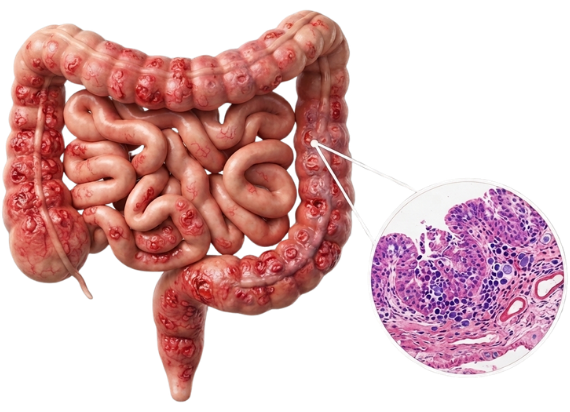
IBD is a term for chronic conditions that cause inflammation in the digestive tract. It’s a long-term condition that typically follows a pattern of flare-ups and periods of remission, and requires ongoing monitoring even when symptoms settle.
Book an Appointment
With Dr. Ekant Budhwani
Call / WhatsApp
+91 62640 89752
Causes
The exact cause isn’t fully understood, but IBD is believed to result from a combination of:
- An overactive immune response affecting the gut lining
- Genetic predisposition (family history increases risk)
- Environmental and lifestyle factors that may trigger flare-ups
Types
Crohn's Disease
can affect any part of the digestive tract, often in patches, and may involve deeper layers of the bowel wall
Ulcerative Colitis
affects only the colon and rectum, with continuous inflammation of the inner lining
Symptoms to Watch For
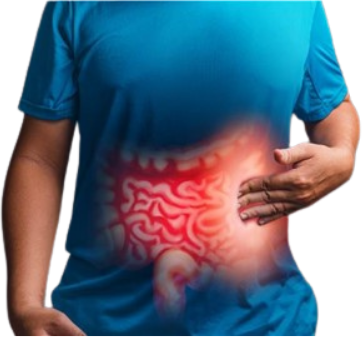
- Persistent diarrhoea, sometimes with blood or mucus
- Abdominal pain and cramping
- Unexplained weight loss
- Fatigue
- Urgency to pass stool, or a feeling of incomplete bowel movements
- In some cases, symptoms outside the gut — joint pain, skin issues, or eye inflammation
Diagnosis
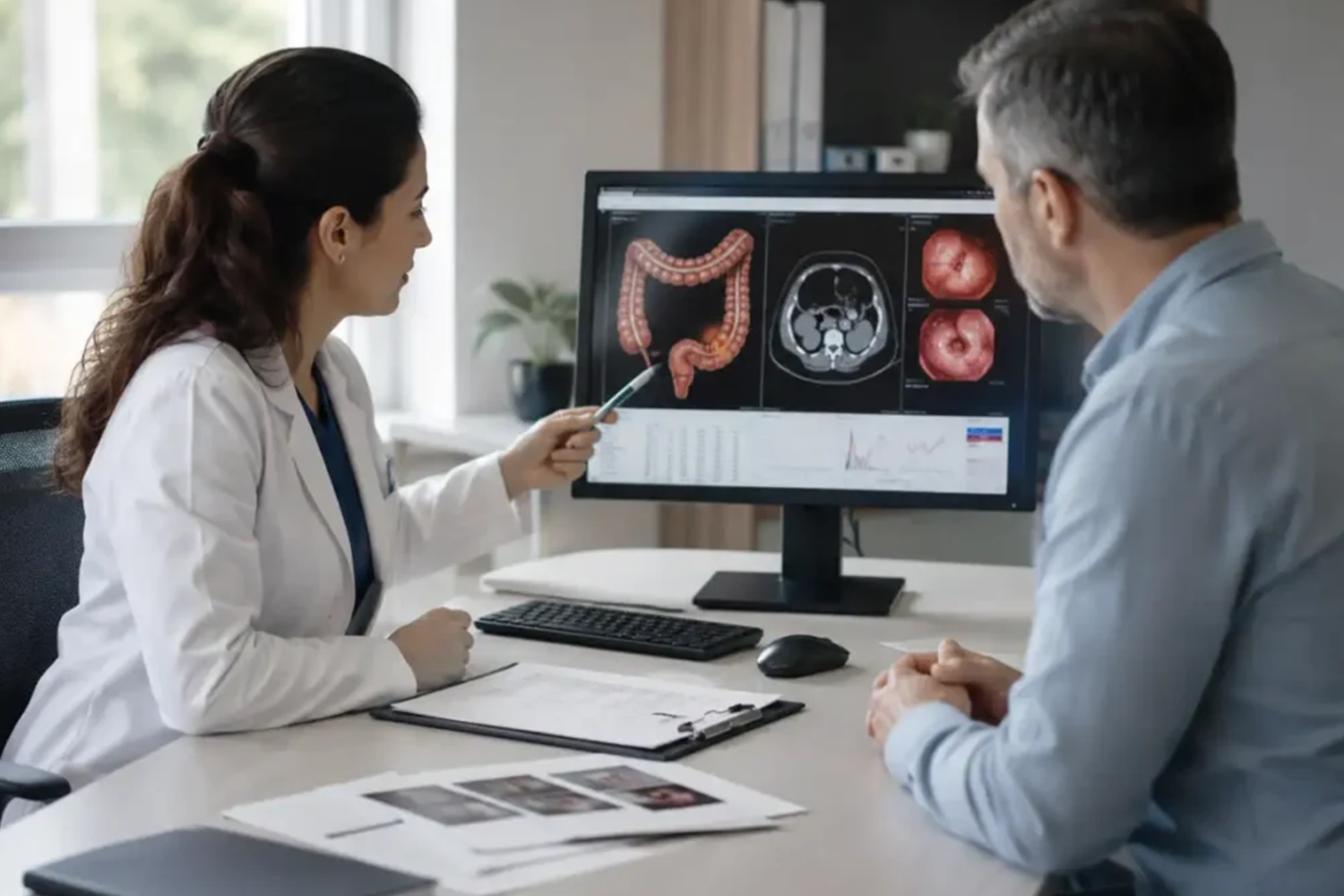
Diagnosis typically involves a combination of:
Blood Tests
to check for inflammation markers and anaemia
Stool tests
including calprotectin, to assess gut inflammation non-invasively
Colonoscopy with biopsy
to directly visualise the bowel and confirm diagnosis
Bowel ultrasound
used for ongoing monitoring without repeated invasive procedures
Imaging (MRI/CT enterography)
in select cases, particularly for Crohn's disease affecting the small intestine
Treatment & Management
IBD management is focused on controlling inflammation, inducing and maintaining remission, and preventing complications:
- Personalised treatment plans based on disease type, location, and severity
- Regular monitoring through blood tests, stool tests, and bowel ultrasound to track disease activity
- Dietary and lifestyle guidance to support symptom management
- Close follow-up to adjust treatment as the disease responds or changes over time
- Coordination with other specialists when IBD affects areas beyond the gut
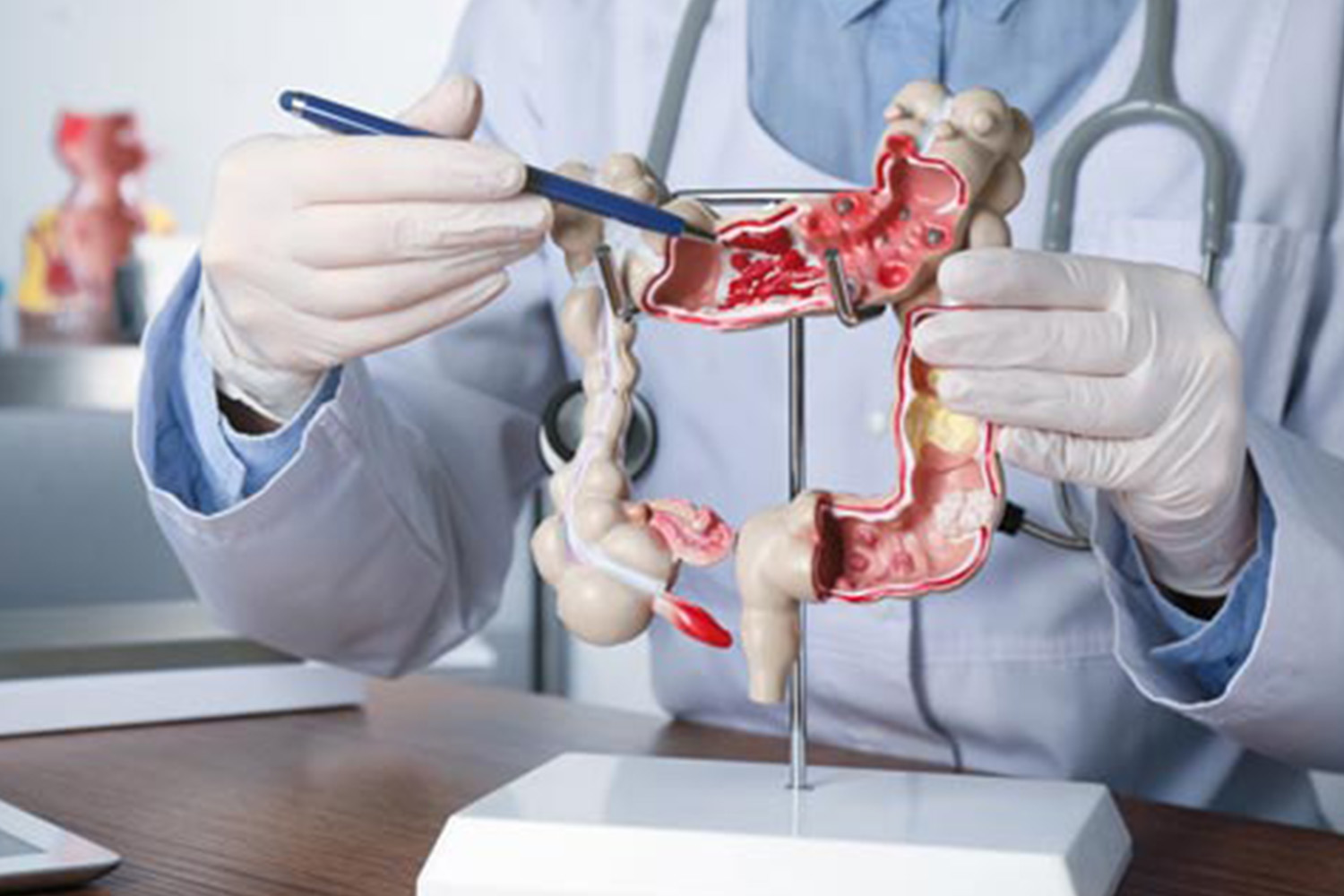

"Early diagnosis helps prevent complications and gives more treatment options before the disease progresses."
When to Seek Help
Consider a specialist evaluation if you have:
- Diarrhoea lasting more than a few weeks
- Blood or mucus in your stool
- Unexplained weight loss alongside digestive symptoms
- A family history of IBD combined with persistent symptoms
Why Choose Oraya Clinics
Specialist IBD management from Dr. Ekant Budhwani, including bowel ultrasound-based monitoring to reduce the need for repeated invasive testing
Access to advanced endoscopy and colonoscopy for accurate diagnosis
Ongoing, coordinated follow-up rather than one-off treatment
Clear explanation of what each flare-up or test result means for your long-term plan
Frequently Asked Questions
Is IBD the same as IBS?
No. IBD (Inflammatory Bowel Disease) involves actual inflammation and damage to the bowel, while IBS (Irritable Bowel Syndrome) is a functional disorder without visible inflammation. They require different diagnostic approaches and treatment.
Is IBD curable?
IBD is a chronic condition, but it can be well-controlled with the right treatment plan, allowing many patients to achieve long periods of remission.
Will I need surgery for IBD?
Not necessarily. Many patients manage IBD without surgery. It may be considered in specific situations, such as complications or when other treatments haven’t achieved control.
Can I still eat normally with IBD?
Diet affects symptoms differently for each patient. Your doctor can help identify triggers and guide dietary adjustments that support your specific condition.