
Diabetes
Diabetes Treatment in Raipur
Diabetes is a metabolic condition where the body either doesn’t produce enough insulin or can’t use it effectively, leading to elevated blood sugar levels. Left unmanaged over time, it can affect multiple organs — but with the right, personalised plan, it’s very manageable long-term.
Book an Appointment
With Dr. Shilika Lalwani
Call / WhatsApp
+91 62640 89752
Causes
- Type 1 diabetes — an autoimmune condition where the body attacks insulin-producing cells
- Type 2 diabetes — a combination of insulin resistance and reduced insulin production, strongly linked to lifestyle, weight, and genetics
- Gestational diabetes — develops during pregnancy due to hormonal changes affecting insulin sensitivity
- Family history, obesity, sedentary lifestyle, and age all contribute to risk
Types
Type 1 Diabetes
typically diagnosed in childhood or young adulthood, requiring lifelong insulin management
Type 2 Diabetes
the most common form, often developing gradually in adulthood
Gestational Diabetes
occurs during pregnancy, usually resolving after delivery but increasing future risk
Prediabetes
elevated blood sugar not yet in the diabetic range, an important window for prevention
Symptoms to Watch For
- Increased thirst and frequent urination
- Unexplained fatigue
- Unintentional weight loss or, in some cases, weight gain
- Blurred vision
- Slow-healing wounds or frequent infections
- Numbness or tingling in the hands or feet (in longer-standing cases)
Type 2 diabetes and prediabetes often have no early symptoms, which is why screening for at-risk individuals matters.
Diagnosis
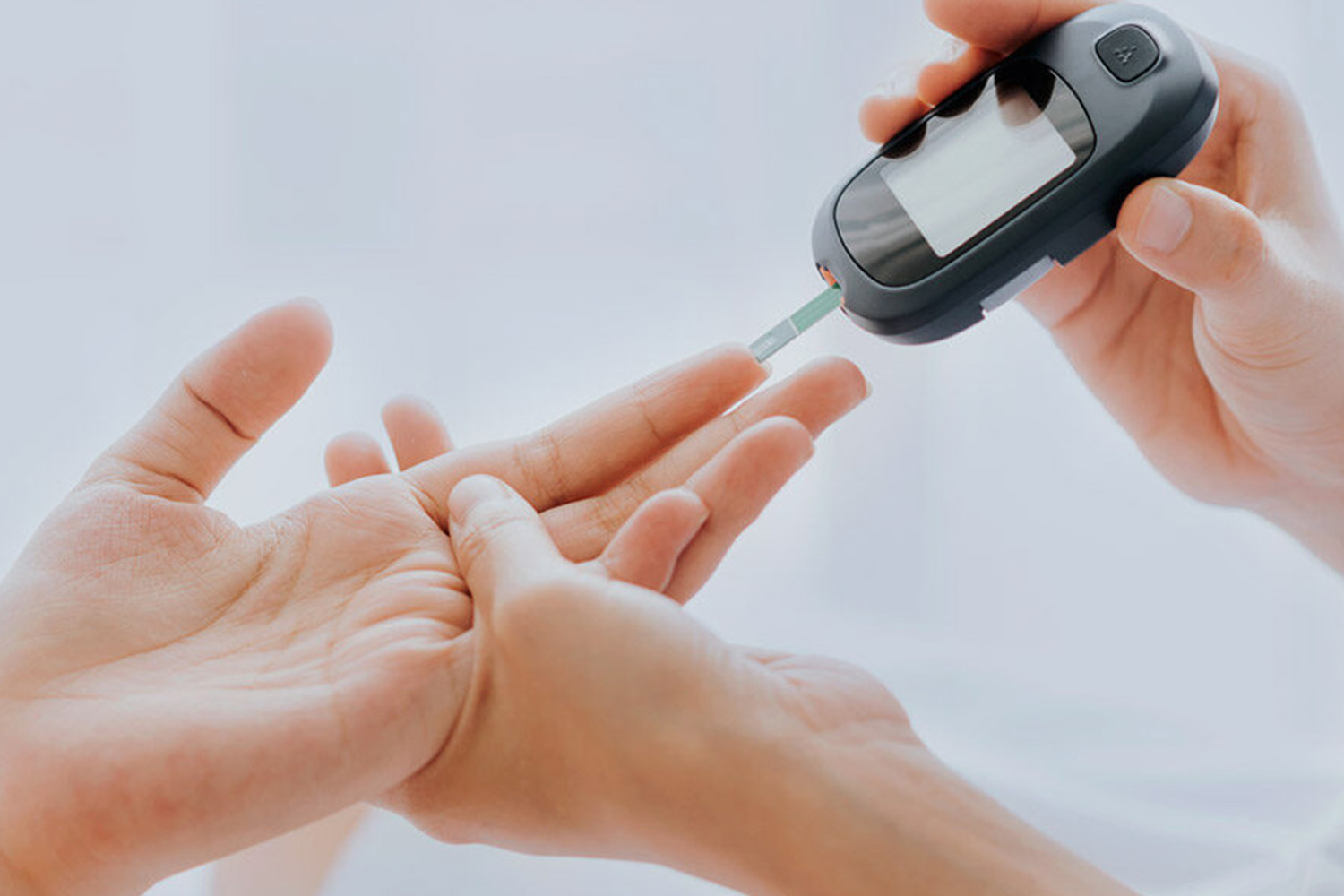
Fasting blood glucose test
HbA1c
reflecting average blood sugar over the past 2–3 months
Oral glucose tolerance test (OGTT)
particularly used in pregnancy or borderline cases
Complication screening
including eye, kidney, and nerve function assessments for established diabetes
Treatment & Management
Diabetes management is built around a personalised, long-term plan:
- Structured blood sugar monitoring tailored to your type and stage of diabetes
- Dietary and lifestyle guidance suited to your individual routine, not a generic diet sheet
- Regular screening for complications affecting the eyes, kidneys, nerves, and heart
- Ongoing adjustment of the management plan based on how your blood sugar responds over time
- Coordinated care when diabetes overlaps with other conditions, such as fatty liver disease or thyroid disorders

When to Seek Help
Consider an evaluation if you have:
- Symptoms like excessive thirst, frequent urination, or unexplained fatigue
- A family history of diabetes combined with risk factors like obesity or a sedentary lifestyle
- Been told you have prediabetes and want a structured prevention plan
- Diabetes that isn't well-controlled despite ongoing treatment elsewhere
Why Choose Oraya Clinics
Comprehensive diabetes management from Dr. Shilika Lalwani, covering Type 1, Type 2, and gestational diabetes
Regular complication screening built into ongoing care, not treated as an afterthought
Personalised plans that account for your lifestyle, not one-size-fits-all advice
Coordinated care when diabetes overlaps with liver, thyroid, or weight-related conditions
Frequently Asked Questions
Can Type 2 diabetes be reversed?
In some cases, particularly when caught early and managed with significant lifestyle changes, blood sugar can return to a non-diabetic range. This varies by individual and should be discussed with your doctor.
Is gestational diabetes dangerous for the baby?
With proper management, most women with gestational diabetes have healthy pregnancies. Unmanaged gestational diabetes does carry risks, which is why monitoring during pregnancy is important.
How often should I get my HbA1c checked?
This depends on how well-controlled your diabetes is — typically every 3 months for those adjusting treatment, and less frequently once stable.
Do I need insulin if I have Type 2 diabetes?
Not necessarily. Many Type 2 diabetes patients are managed without insulin, though it may become necessary over time depending on how the condition progresses.